Where the Heart Is
Play Where the Heart Is
Where the Heart Is Screenshots












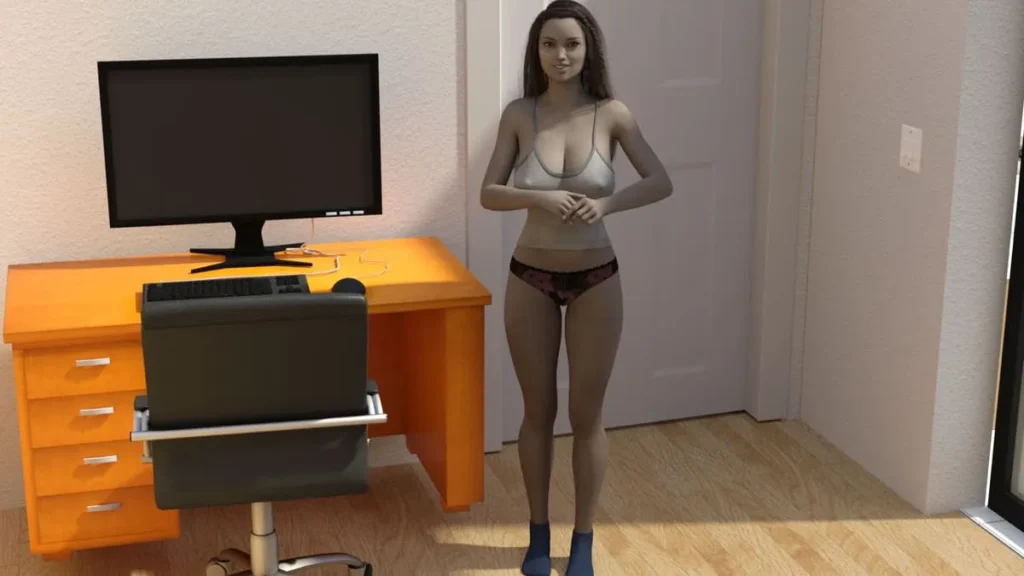










Where the Heart Is review
Explore the narrative choices, character relationships, and gameplay mechanics of this adult visual novel
Where the Heart Is stands out as a narrative-driven adult visual novel developed with the Ren’Py engine, offering players an immersive first-person experience centered on meaningful choices and character development. This comprehensive guide explores everything you need to know about the game, from its compelling storyline to its intricate relationship mechanics. Whether you’re curious about the gameplay experience, character dynamics, or what makes this title unique in the visual novel genre, this article breaks down all the essential elements that define Where the Heart Is.
Understanding Where the Heart Is: Game Overview and Core Mechanics
So, you’ve downloaded Where the Heart Is game and you’re staring at the title screen, maybe a little unsure of what you’ve gotten yourself into. 🤔 I’ve been there. You hear “adult visual novel” and your mind might jump to one conclusion, but let me tell you, this game is a masterclass in slow-burn storytelling and nuanced character interaction. It’s less about frantic clicking and more about the quiet, impactful weight of your decisions. Think of it as being handed the keys to a dynamic, living story where every conversation is a crossroad.
At its core, Where the Heart Is is a first-person POV game built on the versatile Ren’Py visual novel engine. You step into the shoes of a young man returning to his hometown after years away, only to find his family home occupied by a group of fascinating women. Your mission? Navigate this new domestic reality, rebuild connections, and perhaps find romance along the way. But this isn’t a linear path. The entire experience is built on a foundation of choice-based gameplay mechanics that demand your attention and empathy. It’s an adult visual novel experience not just in theme, but in the maturity of its storytelling—it asks you to think, to observe, and to live with the consequences.
I remember my first playthrough. I charged in, trying to be charming to everyone equally, and ended up alienating the very character I was most intrigued by. The game politely but firmly showed me that it wouldn’t be swayed by a scattergun approach. That’s the magic here. It’s a world that feels responsive and real, where your agency is the most powerful tool in your inventory. Let’s dive into how this all works.
What Is Where the Heart Is and How Does It Work?
Imagine moving back into your childhood home, only to find it’s become a shared house with several new residents. That’s your starting point in Where the Heart Is. You are the protagonist, and the story unfolds entirely from your perspective. This isn’t a game about managing stats or solving puzzles; it’s about managing relationships through conversation and action.
The core loop is beautifully simple, yet deeply engaging:
1. Engage in Conversation: You’ll spend time with the various female characters, both primary love interests and supporting cast. Dialogue is presented with multiple options.
2. Make a Choice: These aren’t just “Good, Neutral, Bad” prompts. Choices range from what to say in a delicate moment to deciding how to spend your limited free time. Do you help one character with her project, or comfort another who’s had a rough day?
3. See the Consequence: The game’s robust character relationship system tracks every interaction. A seemingly minor comment can affect how a character views you, unlocking new dialogue branches or closing off others hours later.
4. Progress (or Stumble): Relationships evolve based on a cumulative score of positive interactions. Some characters, like the more reserved or cautious personalities, require a consistent series of thoughtful choices—a true slow-burn romance. Others might respond more quickly to boldness or humor.
🎯 Pro Tip from My Experience: Treat your first save file as a “discovery” run. Don’t reload immediately after a misstep. Sometimes, the most interesting narrative branches come from accidental friction or misunderstood intentions. It makes the story feel uniquely yours.
The magic is in the cause and effect. The game doesn’t hold your hand by telling you “Layla liked that.” You have to read her reaction—her expression, her follow-up dialogue, the subtle shift in her demeanor. This design makes every interaction feel meaningful and turns the adult visual novel experience into one of genuine emotional investment. You’re not just picking options; you’re learning who these digital people are and what makes them tick.
The Ren’Py Engine and Visual Quality
Now, let’s talk about the stage where this all plays out. Where the Heart Is is built with Ren’Py, the powerhouse engine behind countless visual novels. If you’re new to the genre, think of Ren’Py as a specialized toolkit designed for one thing: delivering immersive, choice-driven stories with minimal technical fuss. 🛠️ Its strength is in its accessibility for developers, which often translates to a more focused, narrative-rich experience for players.
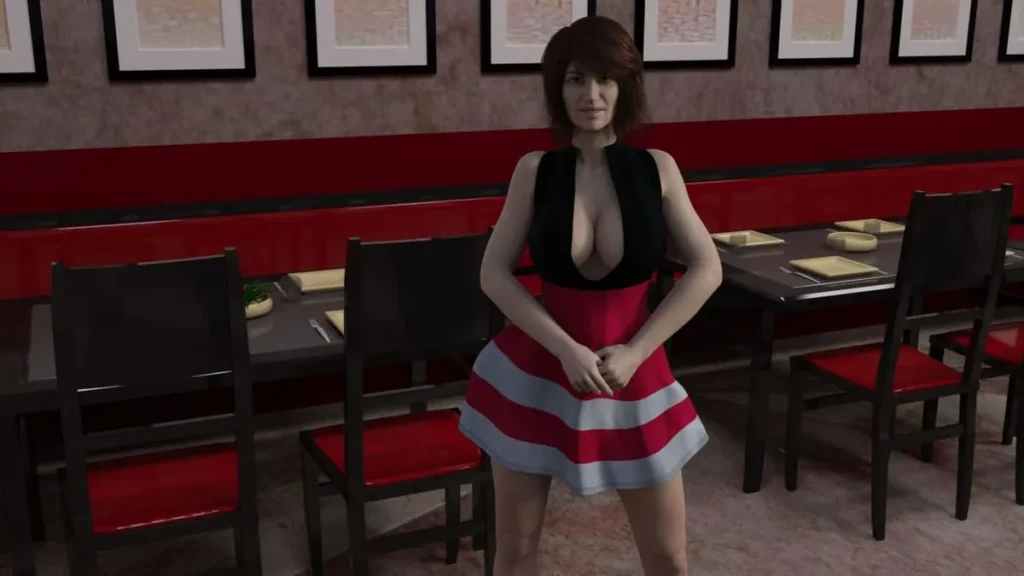
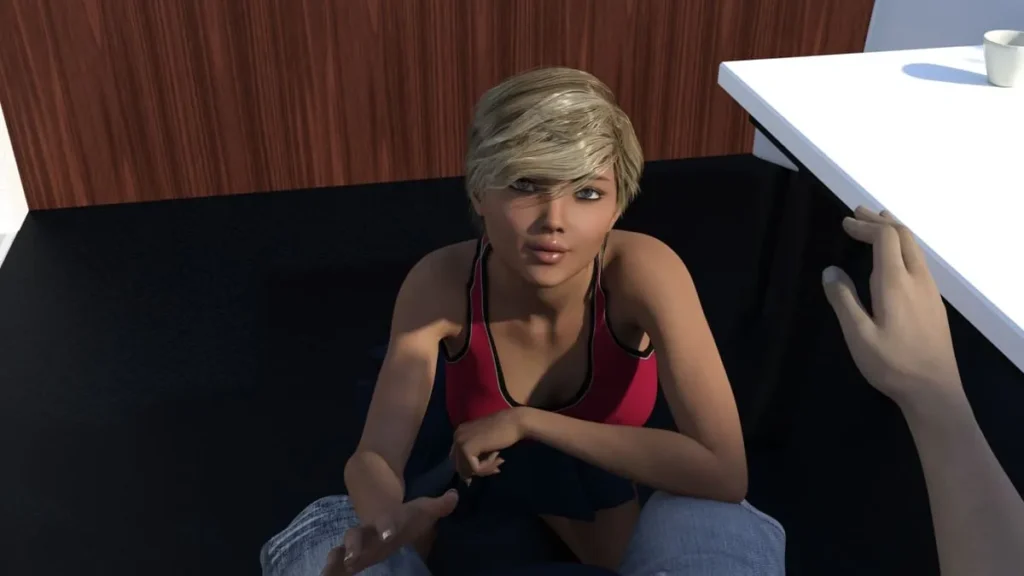
But here’s where Where the Heart Is elevates the standard. It takes the Ren’Py foundation and builds upon it with a serious commitment to visual polish. We’re not talking about simple static drawings. The game boasts Full-HD 1920×1080 rendered graphics that are simply stunning. Character models are detailed and expressive, environments are lush and immersive, and the lighting effects add a layer of depth that pulls you right into the scene.
Why does this matter? In a first-person POV game, immersion is everything. When you’re sitting on the virtual porch at sunset, the quality of the light filtering through the trees directly impacts your sense of place. When a character shares a vulnerable moment, the high-definition detail in her expression—a slight frown, a hesitant smile—carries emotional weight that lower-quality art simply couldn’t. The visual fidelity of this Ren’Py visual novel acts as a silent partner to the writing, amplifying every joke, every tense silence, and every moment of connection.
It’s a perfect marriage: the robust, flexible storytelling backbone of Ren’Py, combined with AAA-quality visuals. This combo ensures that the game’s world feels tangible and real, making your branching narrative choices feel like they’re happening in a living space, not just on a screen.
To break it down visually, here’s how the core technical and gameplay specs stack up:
| Feature | Specification in Where the Heart Is |
|---|---|
| Graphics Quality | Full-HD 1920×1080 Rendered Graphics |
| Game Engine | Ren’Py Visual Novel Engine |
| Player Perspective | First-Person POV (You are the protagonist) |
| Core Choice System | Dual-Path: Conversation & Action-Based Choices |
| Character Scope | Multiple Primary & Supporting Female Characters |
Choice-Based Gameplay and Consequence Systems
This is the heart and soul of the Where the Heart Is game. The choice-based gameplay mechanics here are a masterclass in player agency. Every major story beat presents you with decisions that genuinely matter, weaving a complex web of branching narrative choices. Let me break down how this system actually functions, based on my hours of experimentation (and plenty of reloads!).
First, understand that choices come in two main flavors: conversation-based and action-based.
- Conversation Choices are what you say. They can be flirtatious, supportive, confrontational, or playful. There’s rarely a single “correct” option. Instead, each choice aligns with different character preferences. A sarcastic joke might delight one housemate but annoy another who values sincerity.
- Action Choices are what you do. How do you spend your weekend? Who do you offer to help? These decisions often carry more weight, signaling your priorities and directly shaping the opportunities you have to deepen specific relationships.
The genius of the character relationship system is that it’s hidden. You don’t see a love meter or a friendship points counter. 😤 You learn through observation and consequence. This turns gameplay into a process of careful attention. Did she change the subject after your comment? Did she seek you out later to continue the conversation? The game trusts you to be perceptive.
This is where the reload mechanic becomes your best friend and your greatest temptation. Want to see what happens if you took the other path? Just reload a save. This freedom to experiment is central to the adult visual novel experience. It allows you to explore the vast narrative space the developers have created. I’ve spent entire evenings replaying a single day to see four different outcomes from one key event—each one revealing new facets of the characters involved.
The narrative branches are also not created equal. Some relationships are designed as long-term arcs. Winning over a more complex, guarded character requires a consistent, patient approach across many in-game weeks—a truly rewarding slow burn. Others might offer a quicker, more intense connection if your choices align perfectly with their personality. This variety means that every playthrough can feel radically different, encouraging multiple replays.
Ultimately, Where the Heart Is strikes a brilliant balance. It’s a plot-driven story about rediscovering your roots and navigating a new life, but it’s powered by character-focused relationship building. Your goals are intertwined. You can’t advance the overarching plot without engaging deeply with the people around you, and you can’t build those relationships without impacting the direction of the plot. It’s a seamless, compelling cycle that makes the world of Where the Heart Is not just a setting for a story, but a place that feels responsive, alive, and worthy of your careful consideration. Your heart, and your choices, truly decide where home is.
Where the Heart Is delivers a sophisticated narrative experience that prioritizes player agency and meaningful character interactions. Through its choice-based system, high-quality Ren’Py graphics, and diverse cast of characters, the game creates an immersive world where your decisions genuinely shape relationships and story outcomes. Whether you’re drawn to the emotional depth of reconnecting with childhood connections or the strategic challenge of learning character preferences, Where the Heart Is offers a compelling blend of storytelling and interactive gameplay. For those interested in narrative-driven adult visual novels with substantial replay value, this title provides the depth and complexity that rewards careful attention to character dynamics and thoughtful decision-making throughout your playthrough.