
Light of My Life
Play Light of My Life
Light of My Life Screenshots
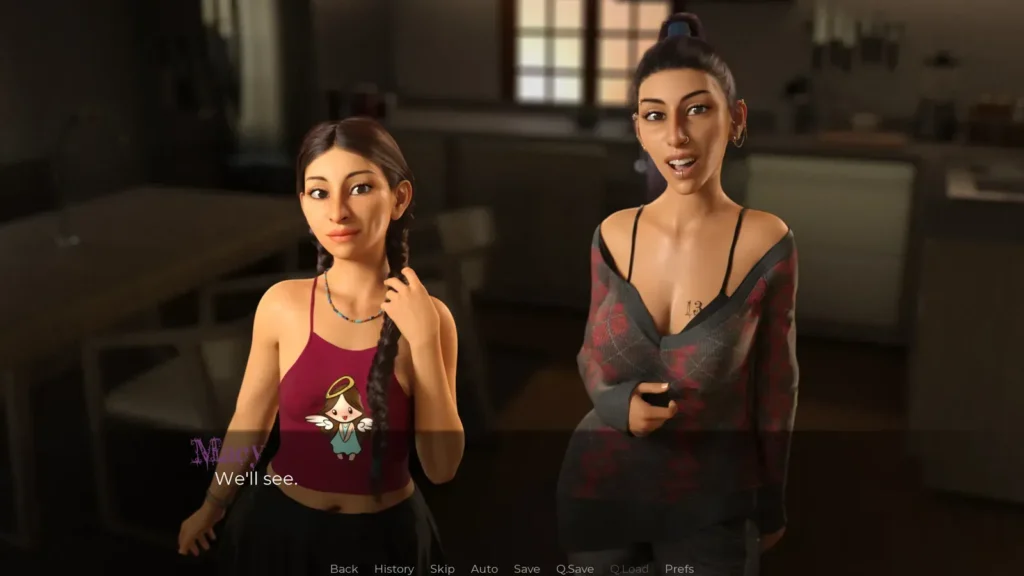
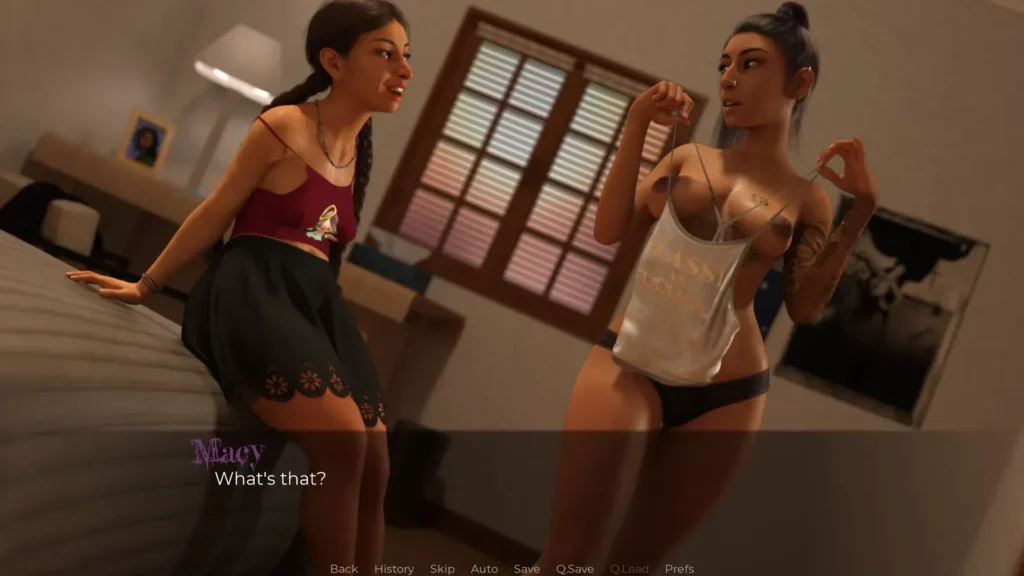

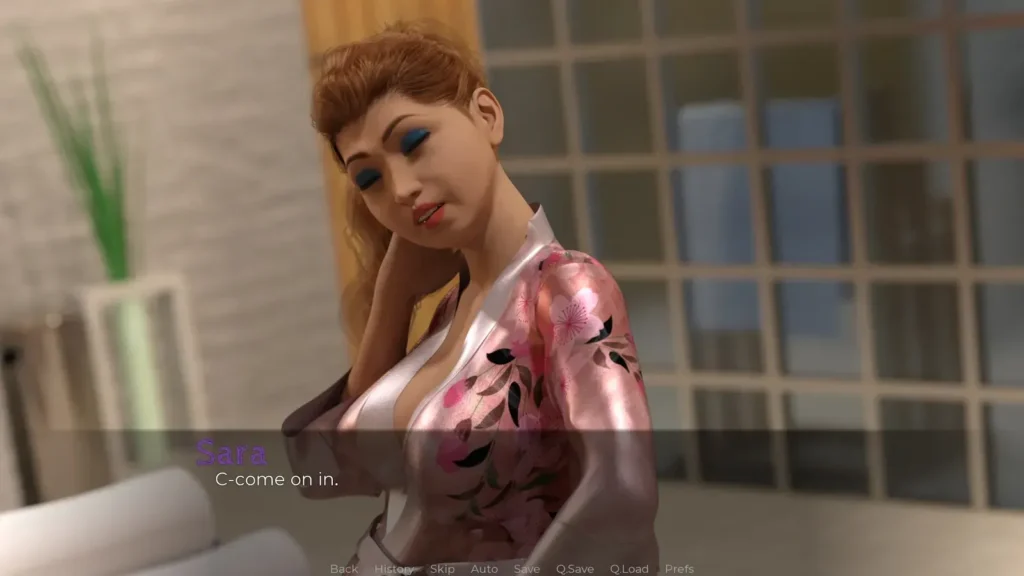



Light of My Life review
A clear, story-first look at the game’s plot, characters, and player experience
Light of My Life is a story-driven adult game that mixes emotional drama with explicit content, and that combination is exactly why it gets attention. If you are trying to understand what Light of My Life is about, how it plays, and what makes it different from other adult visual novels, this article should answer those questions in a simple, direct way. I first looked at it the way most players do: not just for the adult scenes, but for the setup, the characters, and the emotional tension that shapes the experience. This guide focuses only on Light of My Life, so you can quickly decide whether the game matches your taste and expectations.
What Is Light of My Life?
What Is Light of My Life?
What is the premise of Light of My Life?
You wake up one morning. The coffee’s cold, the house is quiet, and there’s a weight in your chest that doesn’t lift. Your wife is gone. Not from anger or betrayal — from an accident that tore through your life like a storm. Now you’re left to raise two young girls who look at you with eyes full of questions you can’t answer.
That’s the starting line for Light of My Life, and it doesn’t let you catch your breath. 🏠💔
The premise is deceptively simple: you play as a father-like figure — a caregiver — responsible for two wards after your wife’s death. The girls call you “Pop,” and they depend on you for everything. Meals, school runs, bedtime stories, and the unspoken emotional glue that holds a broken family together. But here’s the kicker: the passage of time doesn’t heal all wounds. As the months roll by, an emotional distance creeps in between you and the girls. You feel it in the silences at the dinner table, in the closed bedroom doors, in the questions they stop asking because they already know the answer will hurt.
This isn’t a game where you jump straight into risqué content. It’s a game where you first sit through a funeral, cook a breakfast that nobody eats, and watch a child cry in her room because she misses her mother. The adult elements earn their place only through the emotional labor you invest along the way.
The real premise isn’t “can you romance these characters?” It’s “can you rebuild a family from the ashes of grief?”
Let me give you an example of how this emotional setup changes your expectations as a player. In most adult visual novels, you meet characters in a neutral setting — a school, a beach resort, a fantasy kingdom. You chat, you flirt, you make choices that raise affection meters. Simple, right? But in Light of My Life, the first meaningful interaction you have with one of the wards isn’t a date or a cute encounter. It’s sitting on the edge of her bed while she asks, “Pop, do you think Mom is happy?” The dialogue options aren’t about charm or pickup lines. They’re about comfort, honesty, and whether you can hold your own grief together while helping someone else carry theirs. Suddenly, every choice feels heavier. Every hug feels earned. And when the adult content finally arrives, it’s not a cheap reward — it’s a story-driven payoff rooted in trust, vulnerability, and the slow rebuilding of connection.
That shift in perspective is what makes the game feel different right from the start. You’re not a conqueror. You’re a caretaker, learning to love again in the wreckage. 👨👧👧
Who made Light of My Life and when was it released?
Light of My Life was developed by Naughty Road, a studio known for taking the adult visual novel genre seriously. They didn’t rush this one out the door. The Light of My Life game entered early access on October 31, 2020 — a Halloween release that fittingly dealt with ghosts of the emotional kind rather than the spooky kind. The full version landed later, with the Light of My Life release date for the complete experience arriving on August 31, 2023. That’s nearly three years of development, and it shows in the polish of the writing, the art, and the branching narrative.
Why does the release timeline matter? Because Naughty Road game titles have a reputation for evolving based on community feedback. During the early access period, players shaped the pacing of intimate scenes, the depth of character arcs, and even the balance between slice-of-life moments and dramatic beats. By the time version 1.0 hit, the Light of My Life release date marked the arrival of a game that had been stress-tested by its own audience. It wasn’t created in a vacuum — it was built with the input of people who genuinely cared about the story.
And here’s the thing that often surprises new players: this isn’t a throwaway production from an anonymous team. Naughty Road has a clear creative identity. Their previous works show a pattern of blending story-driven adult game mechanics with emotional depth, but Light of My Life is widely considered their crowning achievement. The art style is warm, almost like watercolor paintings brought to life. The music is subtle, never overpowering the dialogue. And the writing — the writing is where the game truly shines. It’s the kind of adult visual novel that makes you forget you’re playing a game and feel like you’re living a life.
I remember reading a review that called it “a love letter to the idea that intimacy means more when you’ve earned it.” Couldn’t have said it better myself.
Why does Light of My Life stand out from similar games?
Let’s be honest: if you’ve browsed the adult game space before, you’ve seen a hundred titles with beautiful character art and shallow storytelling. A game where you collect scenes like trading cards, where the plot is just filler between explicit content, and where characters exist only as trophies. It’s a crowded market, and most of it is forgettable.
Light of My Life breaks that mold. Here’s why it stands out:
🎭 Story-first presentation — The narrative drives everything. Every conversation, every choice, every event is designed to reinforce the emotional core. You’re not unlocking scenes; you’re uncovering layers of grief, healing, and eventually, affection. The adult content doesn’t interrupt the story — it’s woven into it. Characters don’t jump into bed because you clicked the right dialogue option three times. They do it because you’ve held their hand through panic attacks, celebrated their small victories, and proven you’re someone they can trust.
💔 Emotional conflict as a feature — In many games, conflict is a roadblock you overcome. Here, conflict is the point. The distance between you and the wards isn’t a bug; it’s the central tension. The game asks uncomfortable questions: Is it okay to feel attraction toward someone you’re responsible for? Can love bloom from dependency? How do you honor a dead spouse while opening your heart to someone new? There are no easy answers, and Light of My Life doesn’t pretend there are. It makes you sit with the discomfort and choose your path anyway.
🔁 Relationship-driven progression — The characters in this game are not static. They grow, they regress, they surprise you. One ward might push you away for months before a single heartfelt conversation changes everything. The other might seem distant only to reveal hidden depths of loyalty and understanding. The branching paths aren’t just about who you end up with — they’re about how you end up with them. The journey matters as much as the destination.
📖 Writing that respects your intelligence — Let’s face it: a lot of adult visual novel content relies on clunky dialogue and cardboard personalities. Light of My Life doesn’t. The conversations feel real. The characters have quirks, flaws, and speech patterns that distinguish them from each other. The teenage ward isn’t just “the shy one” — she has hobbies, fears, and opinions that make her feel like a person rather than a trope. The younger ward isn’t just comic relief — she has moments of surprising maturity that undercut the innocence of her age.
I’ll give you a personal example. When I first played through the early access version, I expected the usual formula: meet characters, raise stats, unlock scenes. By the end of the first chapter, I had forgotten about stats entirely. I was making choices because I genuinely wanted to help a fictional family heal. I canceled plans one evening because I wanted to see how a specific conversation would play out. That’s the power of a story-driven adult game done right — it stops feeling like a game and starts feeling like a responsibility.
| Why Light of My Life Works | What Similar Games Get Wrong |
|---|---|
| Emotional depth before adult content | Adult content with shallow emotional setup |
| Characters with flaws and growth arcs | Characters as static archetypes |
| Choices that carry real weight | Choices that only affect scene progression |
| Writing that respects player intelligence | Writing that relies on tropes and convenience |
| Slow-burn relationship building | Instant gratification without earned intimacy |
The bottom line
Light of My Life isn’t just another entry in the Naughty Road game catalog. It’s a benchmark for what an adult visual novel can achieve when it treats its audience like mature readers capable of handling complex emotions. The premise — a widowed caregiver raising two wards while navigating grief and reconnection — could have been handled poorly. Instead, it became the foundation for a story-driven adult game that makes you laugh, cry, and think in equal measure.
If you’ve been burned by shallow adult games before, give this one a chance. It might remind you why you fell in love with storytelling in the first place. 🌟
Light of My Life stands out because it tries to make the emotional side of the story matter as much as the adult content. If you enjoy character-driven visual novels with slow-burn tension, relationship choices, and a heavier dramatic tone, this is the kind of game that can leave a lasting impression. The best way to approach it is with the right expectations: read the dialogue closely, pay attention to the characters, and let the story set the pace. If that sounds appealing, Light of My Life is worth your time.