
University of Problems
Play University of Problems
University of Problems Screenshots





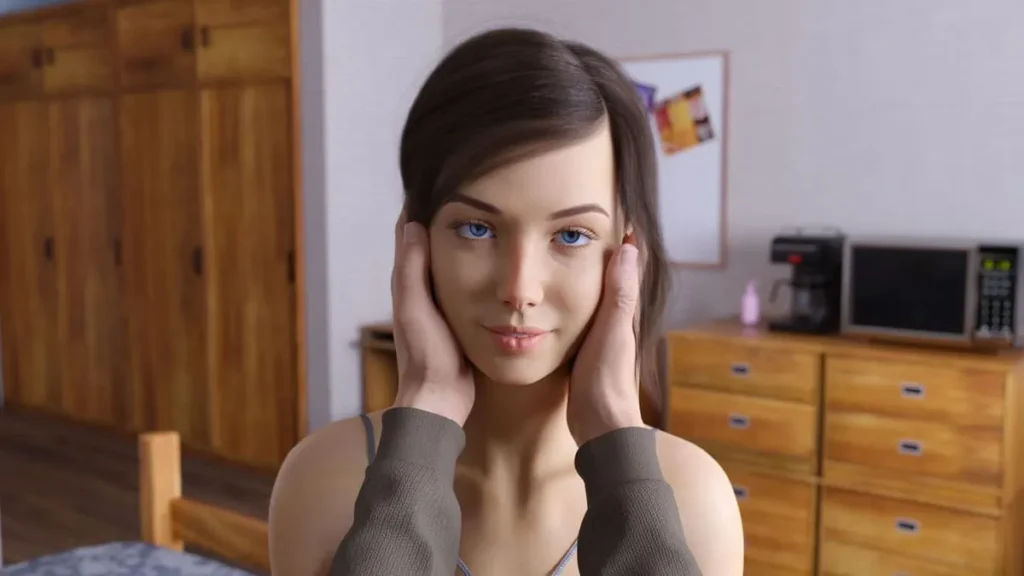



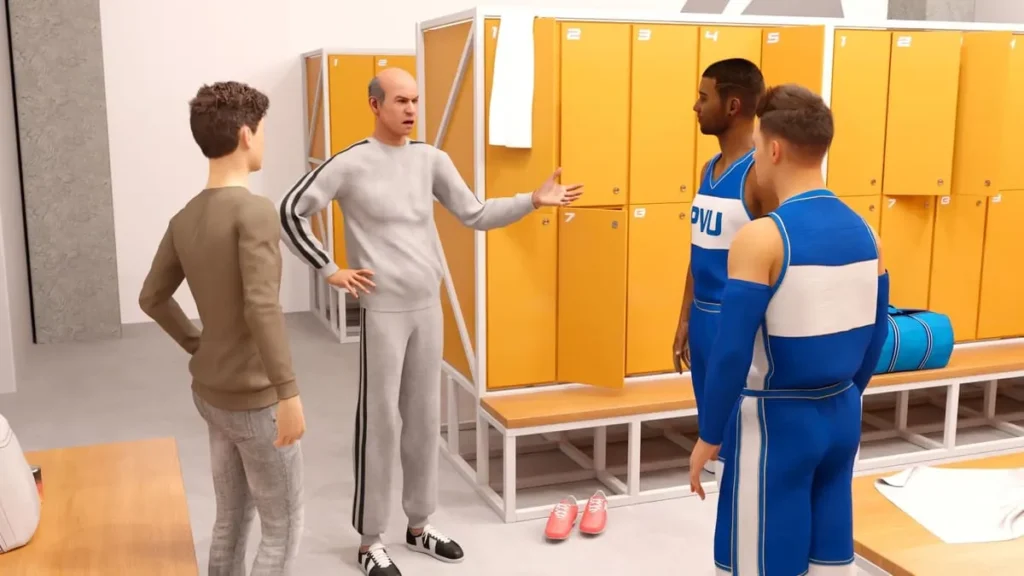



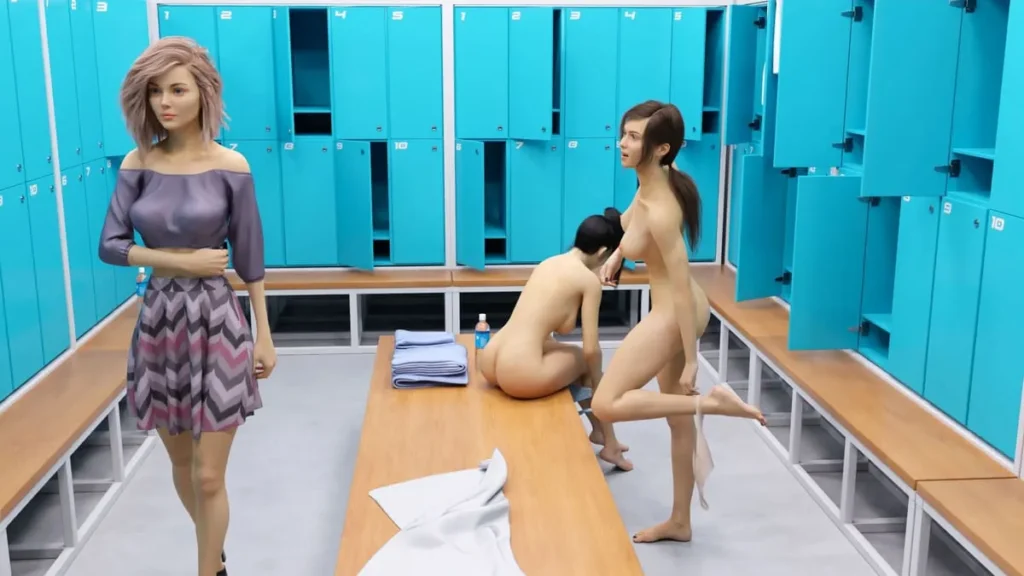
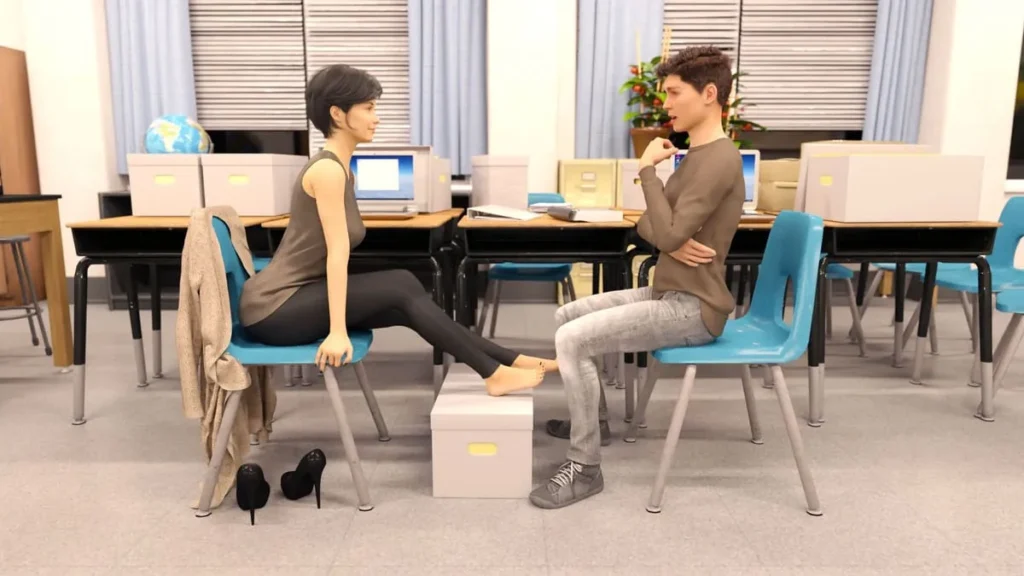


University of Problems review
Dive into Choices, Characters, and Thrilling Scenarios
Ever wondered what happens when a young guy lands in a prestigious university full of elite students and tempting opportunities? University of Problems pulls you into that world as a visual novel where your choices shape steamy relationships and unexpected twists. I remember my first playthrough—picking the wrong dialogue with Roxy nearly derailed everything, but once I nailed the lust mechanics, scenes unlocked like magic. This guide breaks down everything from core gameplay to character strategies, helping you master University of Problems and avoid common pitfalls. Get ready to explore immersive stories, build connections, and dive into adult adventures that keep you coming back for more.
Mastering University of Problems Gameplay and Choices
I still remember the first time I booted up University of Problems. I was just looking for a new story to dive into, something with a bit more bite than your typical visual novel. What I got was a dynamic, choice-saturated experience that had me reloading saves for hours, trying to see every possible outcome. I was instantly hooked. If you’re here, you’ve probably felt that same pull. You want to know how to navigate the social minefield of this elite university and build the story you want. Well, you’re in the right place. This guide is all about mastering the University of Problems gameplay and the University of Problems choices that define your journey.
What Makes University of Problems Stand Out? 🎓
Forget everything you think you know about linear dating sims. University of Problems isn’t just a visual novel; it’s a living, breathing social simulator. You step into the shoes of a young student, and from moment one, the world reacts to your decisions. What grabbed me wasn’t just the gorgeous art or realistic animations—it was the sheer freedom. There are no filler episodes or pointless fetch quests. Every interaction, from a casual chat in the hallway to a late-night video call, pushes your narrative forward.
The environment itself is a character. Rooms change with the time of day, characters have their own schedules, and the passage of time feels real. This isn’t a static story you watch unfold; it’s one you actively build, brick by brick, decision by decision. The core of how to play University of Problems is understanding that your dialogue and actions don’t just change a single scene—they alter relationship trajectories, open up (or permanently close) entire story arcs, and redefine your character’s personality in the eyes of the cast.
How Lust Levels and Decisions Shape Your Path? ⚖️
This is where the magic—and the strategy—really happens. At the heart of the University of Problems gameplay are two intertwined systems: affection and lust. While affection measures emotional closeness and trust, the lust mechanics in University of Problems track physical desire and boldness. These aren’t hidden stats; your choices directly influence them, and hitting specific thresholds is the key to unlocking new dimensions of the story.
Think of it like this: choosing a polite, supportive response might boost a character’s affection. But choosing a flirtatious, daring option will likely raise their lust level. The game brilliantly uses these thresholds to gate content. For instance, you might need a minimum lust level with Roxy to get certain playful responses, or a significantly higher one with Ivy to access her more intimate scenes. This creates a delicious tension in every conversation. Are you playing the long game for a deep connection, or are you pursuing a more physical, passionate route? The University of Problems choices you make answer that question.
To help you plan your path, here’s a breakdown of some key lust thresholds. This is your cheat sheet for understanding what your decisions are working toward.
| Character | Scene/Outcome | Lust Threshold & Key Requirement |
|---|---|---|
| Roxy | Initial Intimate Responses | LUST >= 3 during early interactions |
| Ivy | Extended Private Scene | LUST > 20 after building rapport |
| Sara | Tennis Match Outcome | Moderate Lust level + choosing bold dialogue options |
| Yuki | Erotic Massage Path | High Lust level + prior agreement to her “lessons” |
| Rachel | Late-Night Encounter | Specific Lust threshold met during her personal event chain |
The consequence system is what makes these best choices in University of Problems so subjective. A “quick path” might get you to an intimate scene faster, but it could limit future emotional depth or even lock you out of a more fulfilling ending. I learned this the hard way in one playthrough where I focused solely on lust with one character, only to find her later story arcs felt hollow because I’d neglected the affection needed for her deeper confessions. It’s a balancing act that makes every playthrough uniquely yours.
Top Tips for Unlocking Key Scenes Fast 🗝️
So, you want to optimize your time and experience as much of this rich world as possible? Based on my many, many hours of experimentation (and a fair share of failed saves), here’s your actionable playbook. This is the practical core of how to play University of Problems efficiently.
First, sequence your daily events. Time management is crucial. A typical optimized day might look like this:
* Morning: Check for and prioritize Roxy’s video call. It’s a low-time-investment way to build points.
* Afternoon: Seek out Sara for the tennis match. Your performance and dialogue here are major inflection points.
* Evening: This is prime time for Yuki’s massage sessions or studying with other characters.
* Night: Don’t ignore random encounters or phone messages. Rachel’s events, for example, often trigger from consistent nighttime engagement.
Pro Tip: Save before every significant interaction! The University of Problems choices are permanent in a playthrough. Having a save point lets you explore different dialogue branches without replaying entire days.
Second, understand event priority. Some events are foundational and recurring (like the calls and tennis), while others are unique “story beat” scenes that only appear once. If you miss a unique event, it might be gone for that playthrough. Always tackle story-specific events when they pop up—the daily grind can usually wait.
Let me tell you a story of two playthroughs. In my first, I was all over the place. I’d flirt with Roxy, then ignore her for days while I pursued Ivy, then try to be a perfect gentleman with Sara. The result? Medium lust and affection with everyone, and I unlocked only the most basic scenes with each. It was enjoyable but shallow. My second playthrough, I focused. I dedicated my early game to boldly raising lust with Roxy and Ivy, which unlocked their extended scenes much faster. Then, I used the confidence and opportunities from those paths to strategically build affection with Sara for a more complex, slow-burn arc. The difference was night and day. I saw content I didn’t even know existed!
Finally, for those with the hardware, don’t overlook the VR compatibility. Experiencing the game’s environments and animations in virtual reality adds a stunning layer of immersion that makes the University of Problems visual novel format feel incredibly real. And yes, those hentai puzzles are more than just minigames—solving them often provides direct rewards and can be crucial for certain progression paths.
New Player Essentials:
* Balance is Boring, but Focus is Key: You can’t max everyone in one go. Pick 2-3 characters to focus on per playthrough.
* Boldness Pays Off (Usually): The lust mechanics in University of Problems often reward daring dialogue. Don’t be afraid to pick the flirtatious option.
* Explore Everything: Click on everything, visit empty rooms at different times, and talk to everyone. The game hides secrets everywhere.
FAQ
What if I miss a daily event?
Don’t panic! Most daily events (like Roxy’s call or Sara’s tennis) are recurring. You might miss a chance to gain points that day, but the opportunity will come back. The real danger is missing unique, one-time story events that pop up after meeting specific requirements—those may not return.
How do multiple paths work in the story?
Think of it as a web, not parallel lines. Your early University of Problems choices set you on a broad path (e.g., focusing on Roxy’s crowd vs. Ivy’s). Within that, every major decision branches the narrative further, affecting which scenes you see, how characters perceive you, and ultimately, which ending you achieve. Two players focusing on the same character can have very different story experiences.
Is there VR support in University of Problems?
Yes! The game offers full VR compatibility, which transforms the experience from watching a story to literally being inside it. It’s a fantastic way to re-experience the game’s most memorable moments and appreciate the detailed environments.
University of Problems delivers a gripping mix of strategy, relationships, and adult thrills that I can’t get enough of—whether chasing perfect paths with Lexi or savoring extended moments with Ivy. You’ve got the tools now: master those lust builds, sequence your daily events, and let choices lead to unforgettable scenes. Dive in, experiment with paths, and share your wildest playthrough stories in the comments. Ready to enroll? Grab the latest version and start your adventure today—what’s your first move going to be?