Play Treasure of Nadia
Treasure of Nadia Screenshots






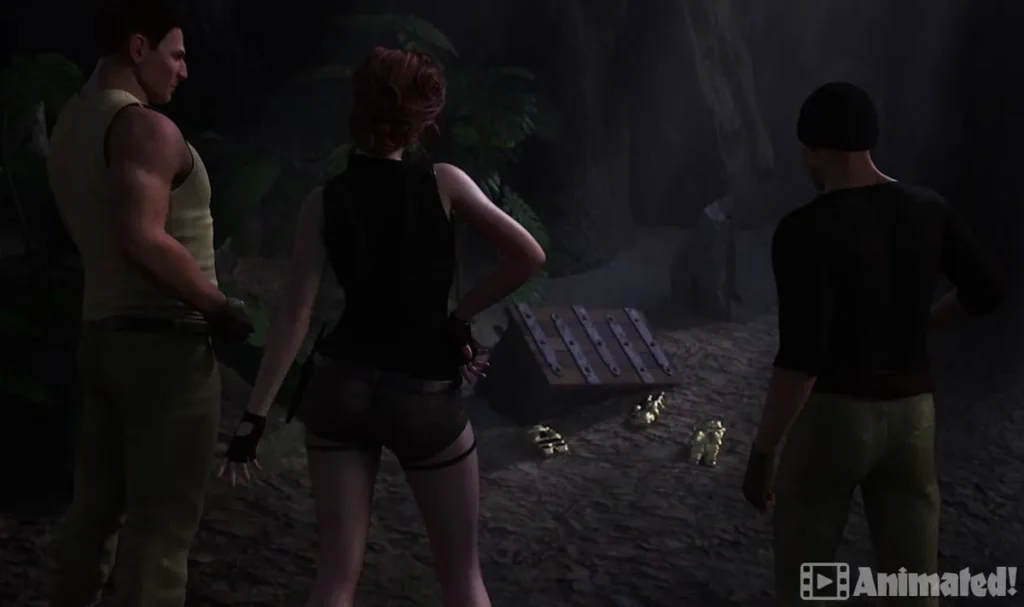








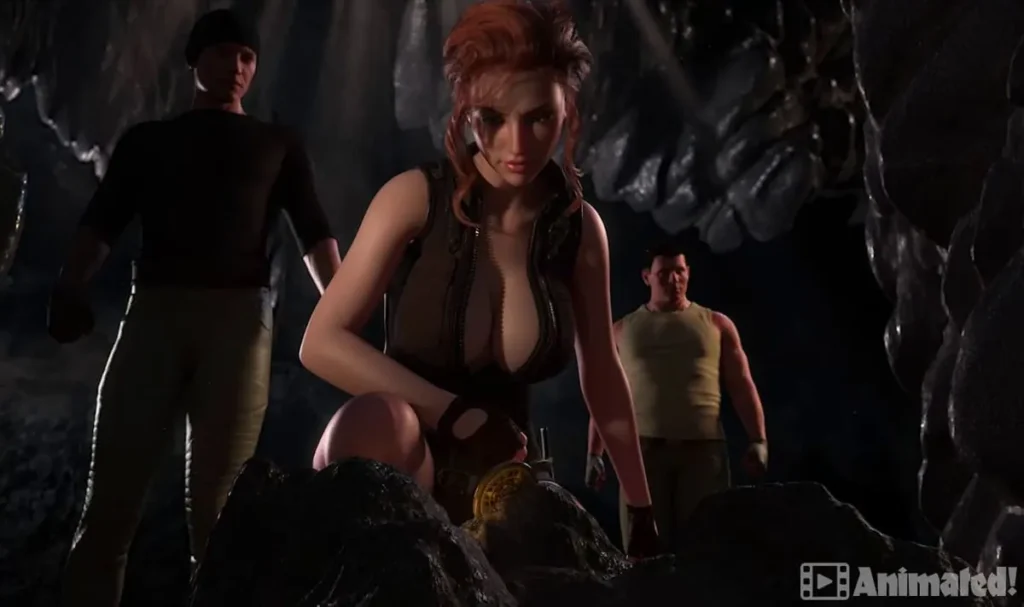
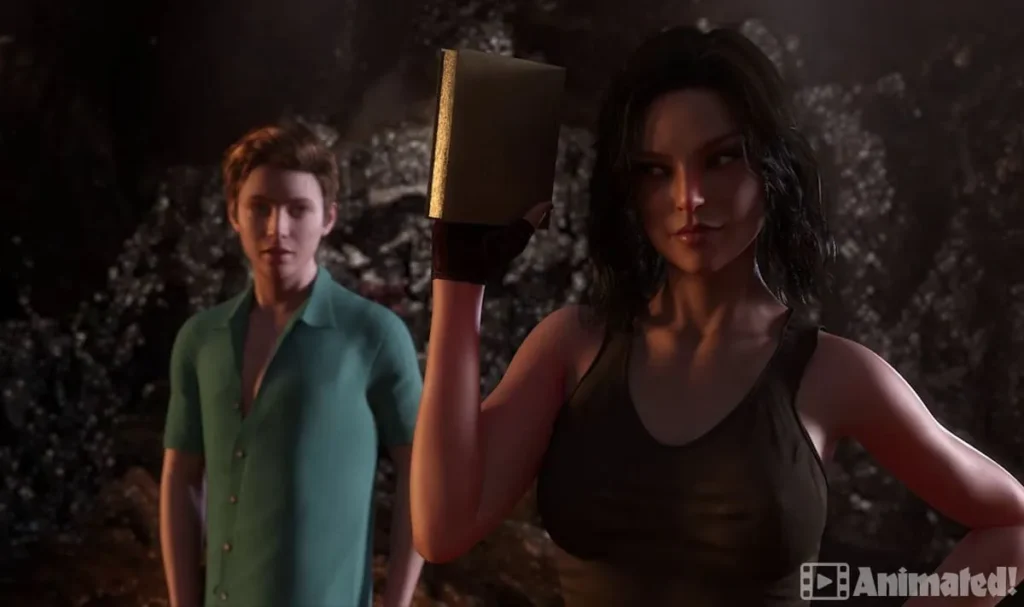
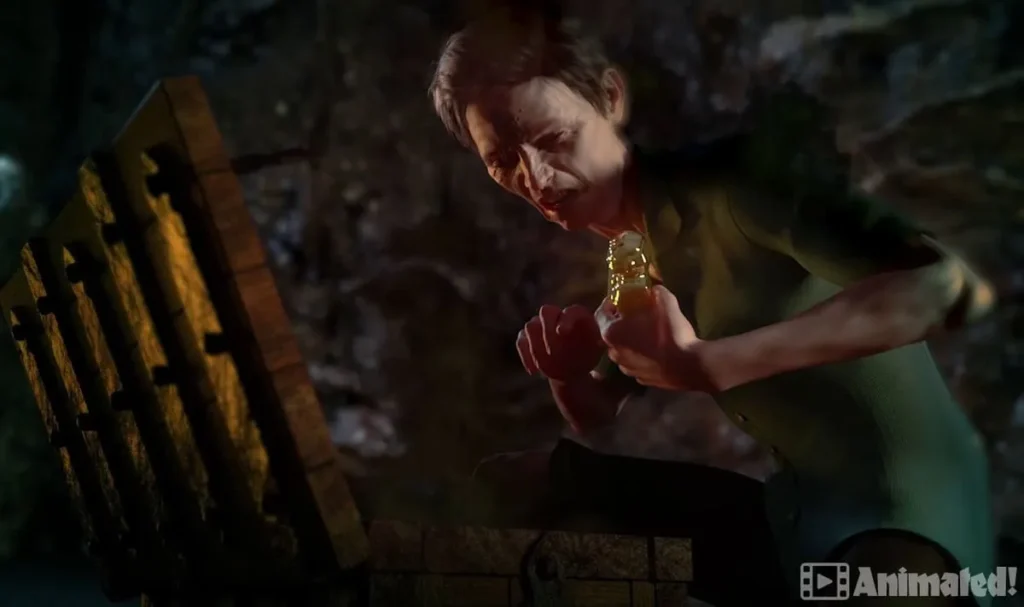





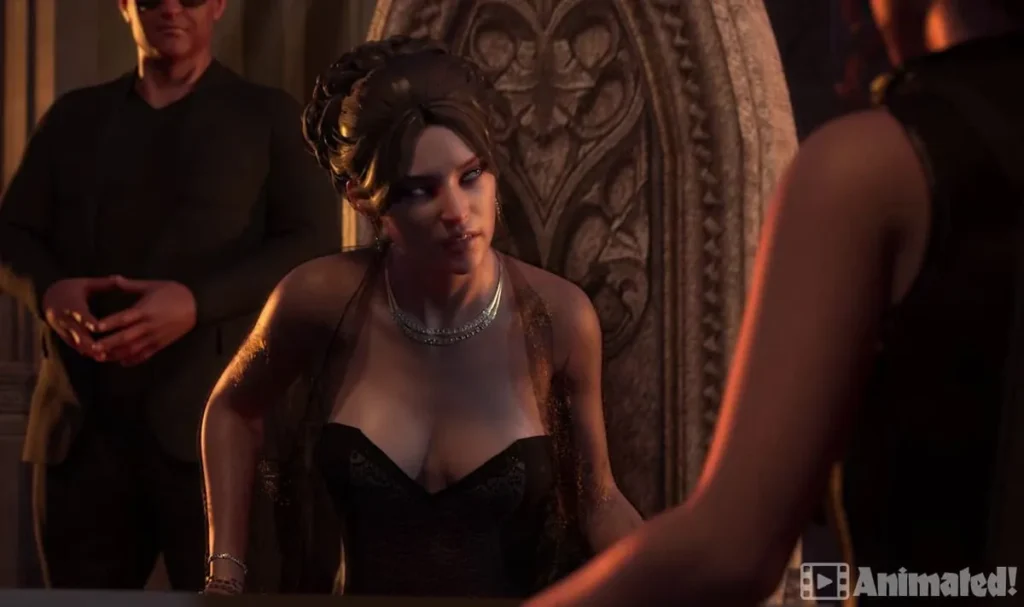




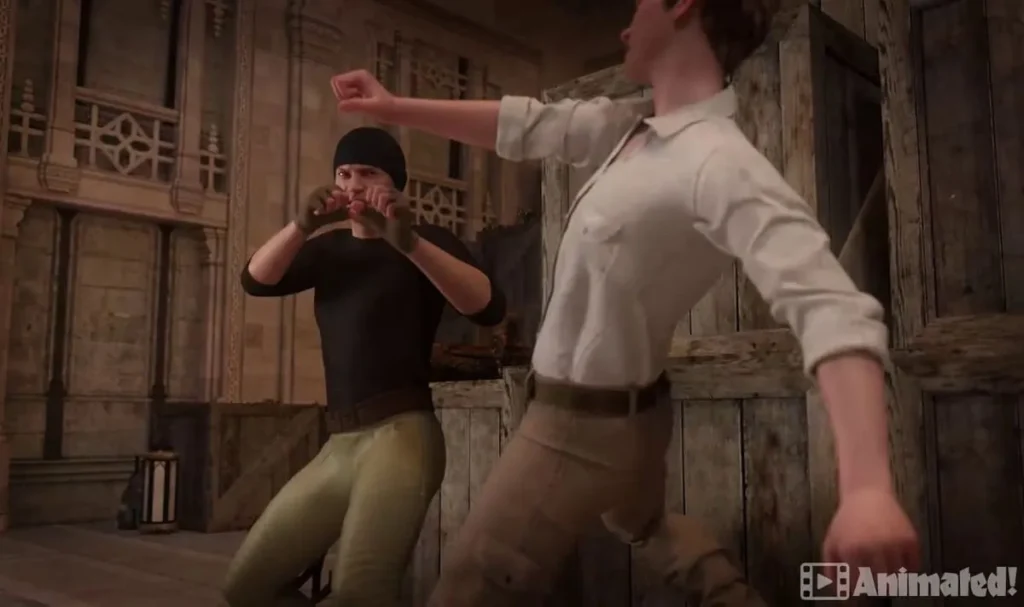










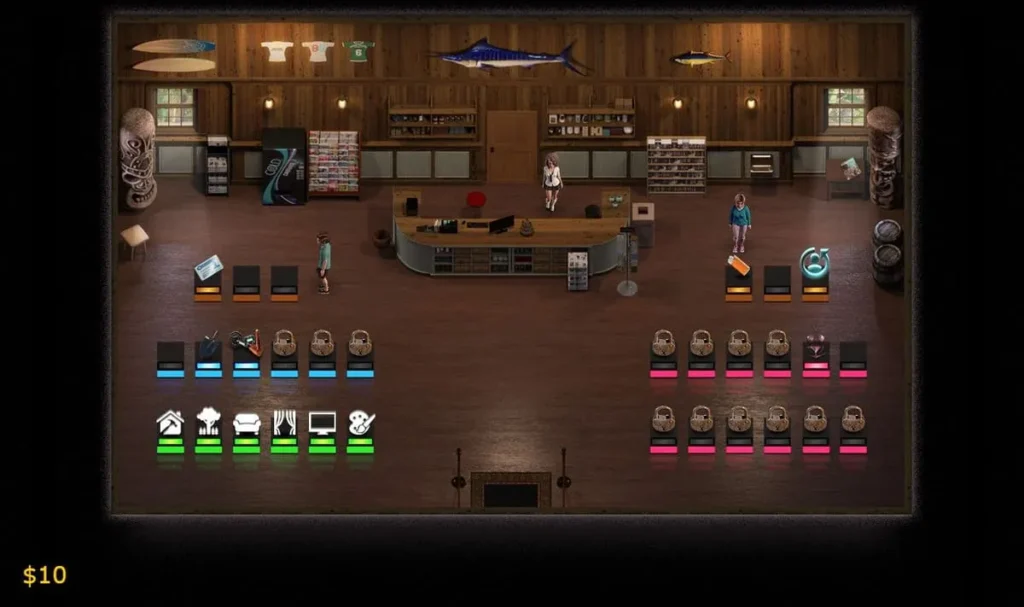

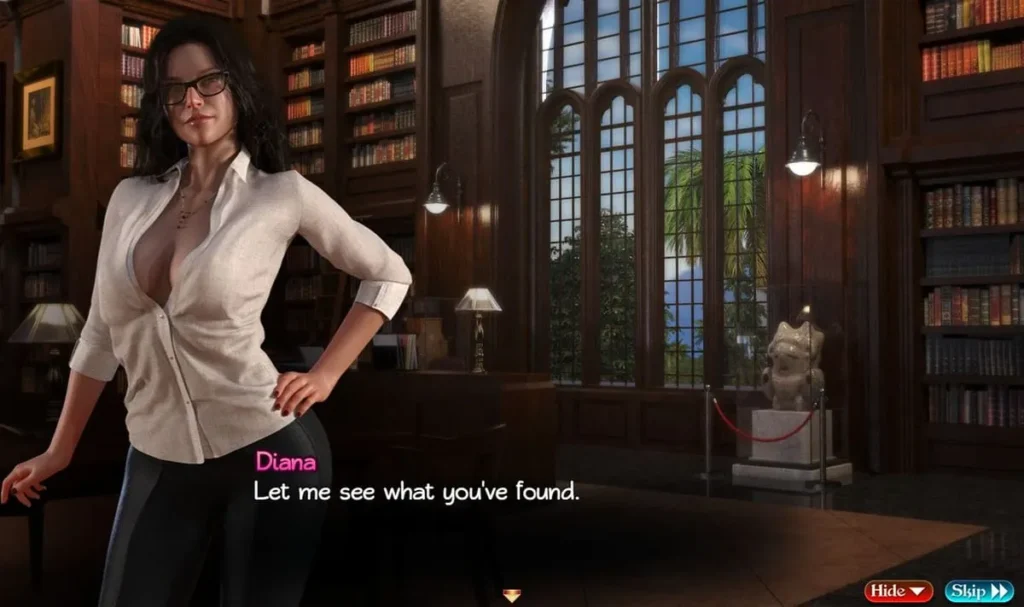





Treasure of Nadia review
Explore gameplay mechanics, story elements, and what makes this adventure title stand out
Treasure of Nadia has carved out a distinctive niche in adventure gaming by blending exploration-based gameplay with an engaging narrative experience. This title combines puzzle-solving mechanics, character-driven storytelling, and exploration elements that keep players invested throughout their journey. Whether you’re interested in understanding the core gameplay loop, discovering what makes the story compelling, or learning about the various game mechanics, this guide covers everything you need to know about what makes Treasure of Nadia a standout title in its genre.
Gameplay Mechanics and Core Features
Alright, let’s get into the meat and potatoes of what makes Treasure of Nadia tick. If you’re like me, you’ve started plenty of adventure games only to find the gameplay repetitive or shallow after the first hour. 🕹️ What sets this title apart isn’t just its ambitious story—it’s how it cleverly weaves together several engaging systems into one cohesive experience. The Treasure of Nadia gameplay mechanics are a standout blend of discovery, creativity, and brain-teasing that keeps you hooked for the long haul.
This isn’t a passive visual novel; it’s a hands-on puzzle solving adventure game at heart, wrapped in a tropical RPG-like shell. You’re not just clicking through dialogue. You’re actively managing your inventory, scouring every beach and jungle path for clues, and figuring out how to use what you find. I remember one evening I spent a solid hour just trying to get past a simple-looking vine barrier, only to realize I needed to combine items I’d found days ago in a completely different area. That “aha!” moment is pure gold, and it’s what the game delivers consistently.
What Makes the Gameplay Experience Unique? 🏝️
The magic of Treasure of Nadia lies in its interconnected loop. Think of it as a cycle: Exploration leads to Item Gathering, which fuels the Crafting System, which creates tools for Solving Puzzles, which unlocks new areas for Exploration, and often advances Character Relationships. It’s a satisfying, self-perpetuating machine of progress.
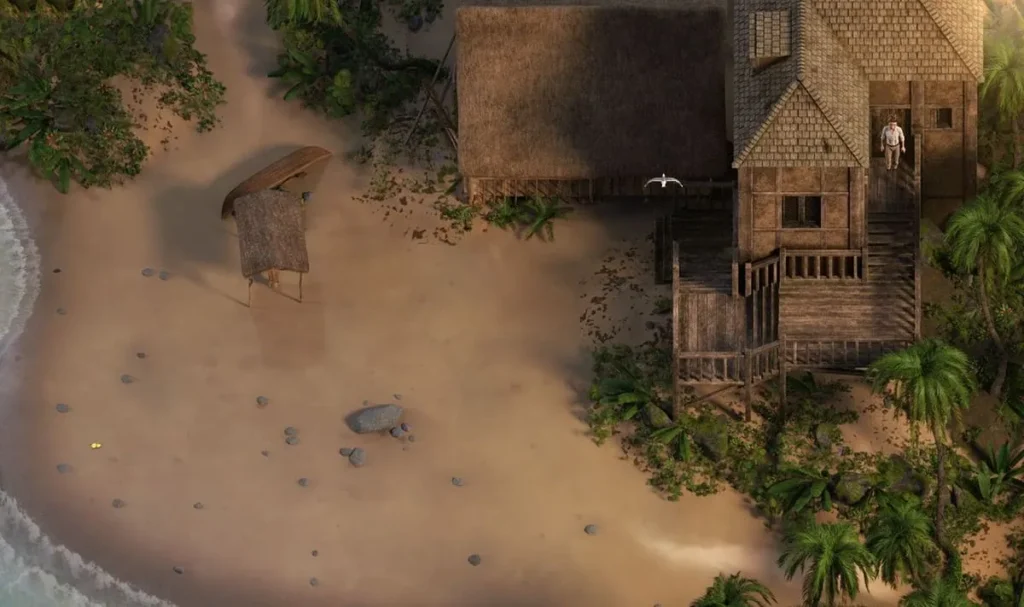
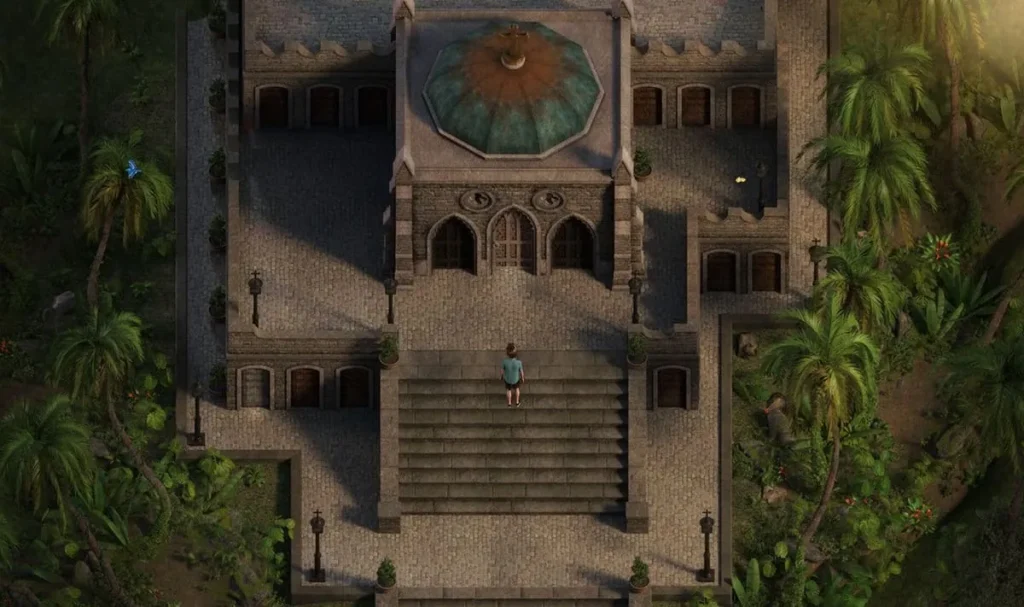
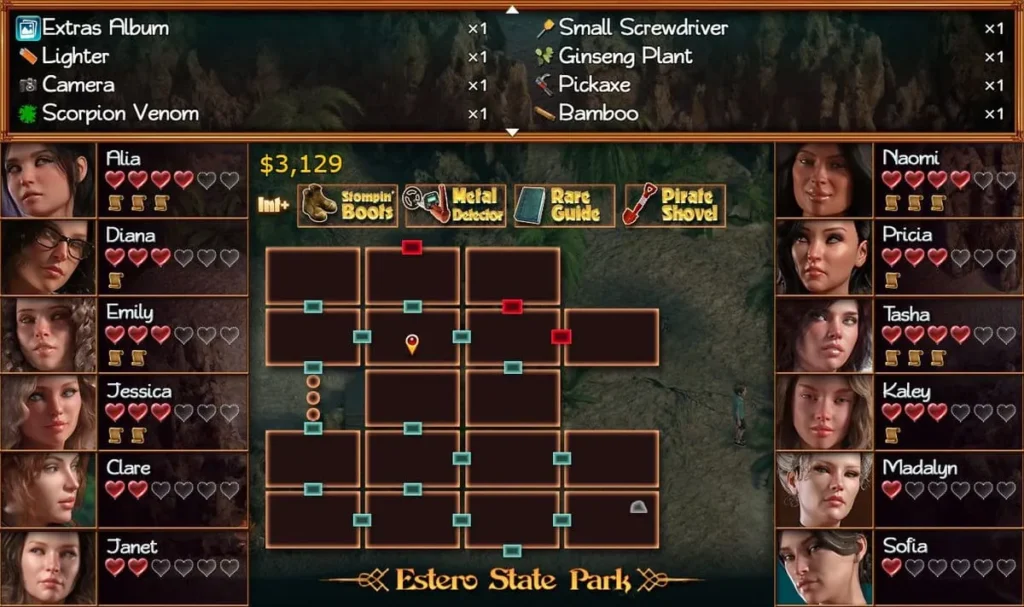
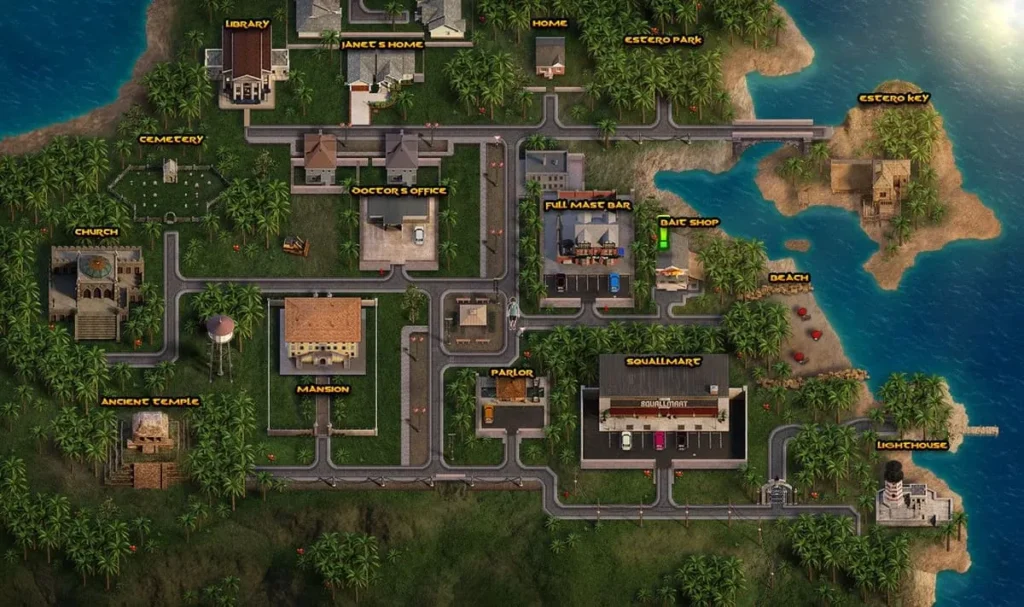
Unlike many games in its genre, it avoids being a linear sequence of scenes. The world feels alive and interactive. You have a map, you choose where to go, and your actions directly dictate the story’s pace. This exploration based gameplay means you have a degree of control. Feel like hunting for treasure today? Go for it. Want to focus on helping a character with their personal quest? You can do that too. This freedom is central to the experience.
To give you a clearer picture of how these systems support each other, here’s a breakdown:
| Core System | How It Works | Its Role in the Game |
|---|---|---|
| Exploration | Travel between hand-drawn locations (beach, town, jungle, caves). Click on highlighted areas to find coins, items, and clues. New areas unlock as you solve puzzles or progress the story. | The primary driver. This is how you find resources, trigger events, and uncover the game’s secrets. It’s the foundational activity. |
| Crafting | Combine found items (e.g., Stick + Vine) in your inventory to create new tools (e.g., a Pole). Many critical path items are crafted, not simply found. | The problem-solving engine. This system transforms random junk into useful keys. It demands experimentation and logical thinking. |
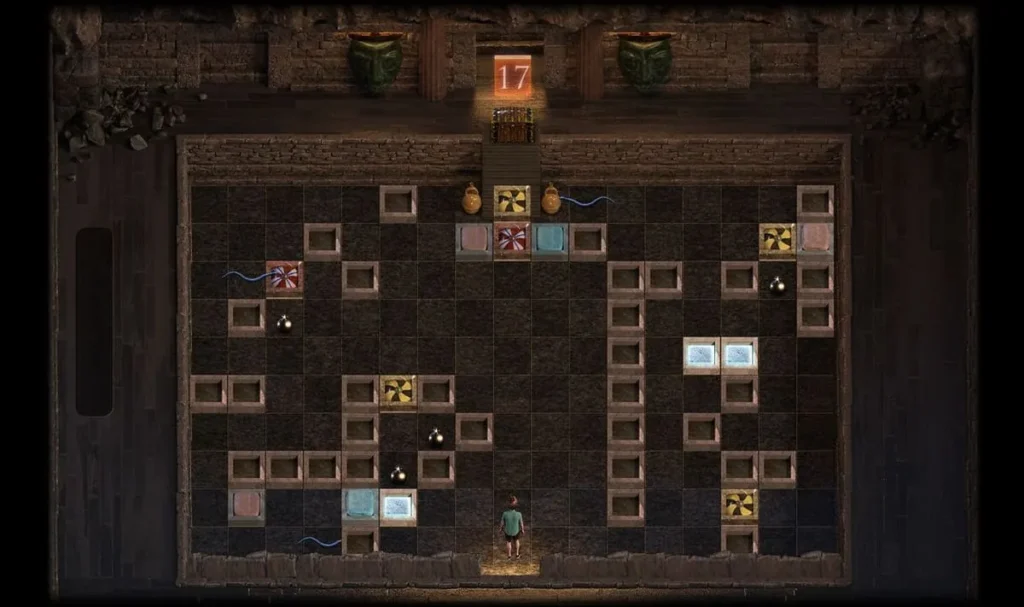
| Puzzle-Solving | Includes environmental puzzles (block sliding, symbol matching) and inventory-based locks. The Ancient Temple Puzzles are major multi-step challenges. | The gatekeeper to progression and major rewards. These provide the game’s biggest intellectual challenges and sense of achievement. |
| Relationships | Interact with characters through dialogue and complete their specific quest lines. Your choices and assistance improve your standing with them. | The narrative and progression catalyst. Deepening bonds often rewards you with vital items, information, or access to new areas. |
This table shows why the Treasure of Nadia gameplay mechanics feel so cohesive. You’re never doing just one thing. You’re always planning your next move based on a need that crosses multiple systems. It’s what turns a simple fetch quest into a mini-adventure of its own.
Exploration, Crafting, and Puzzle-Solving Systems 🔍➡️🧰➡️🔓
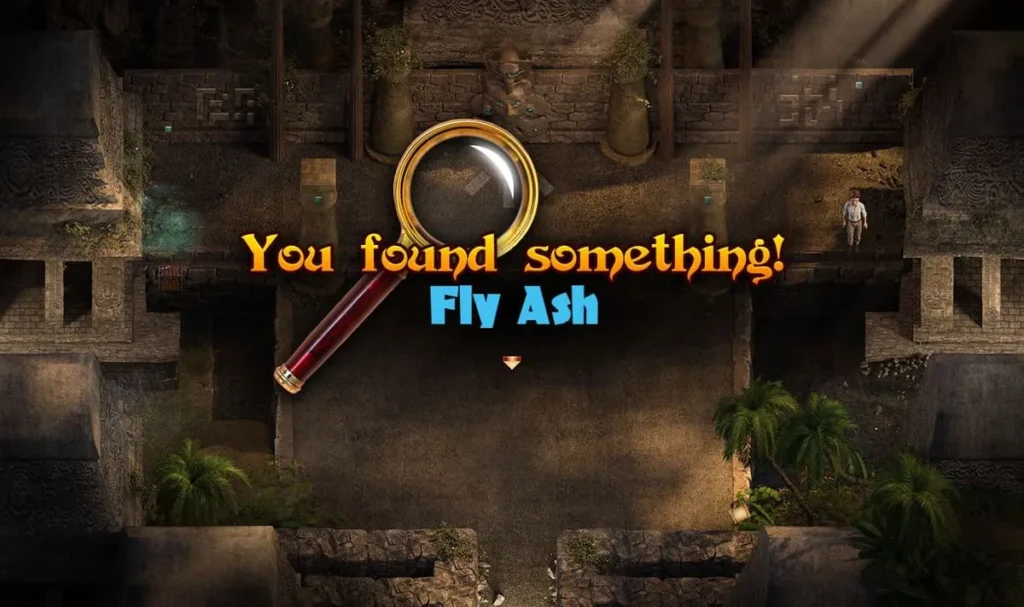
Let’s dive deeper into the holy trinity of gameplay. The exploration based gameplay is your constant activity. My pro tip? Click on everything. Seriously. That slightly discolored patch of sand or that oddly shaped rock might be hiding a Gold Coin or a crucial Metal Scrap. The map is your best friend, showing you where you’ve been and hinting at where you might need to go back to with a new tool.
This is where a crafting system guide mentality becomes essential. Early on, you’ll find basics like Sticks, Stones, and Vines. The game doesn’t hand-hold you through every combination. You need to think: “What would I make with this?” Need to reach something high? Maybe a Stick and a Vine make a longer pole. It’s intuitive and rewarding. I kept a small notepad next to my keyboard to jot down item combinations I suspected might work later—it felt like being a real treasure hunter!
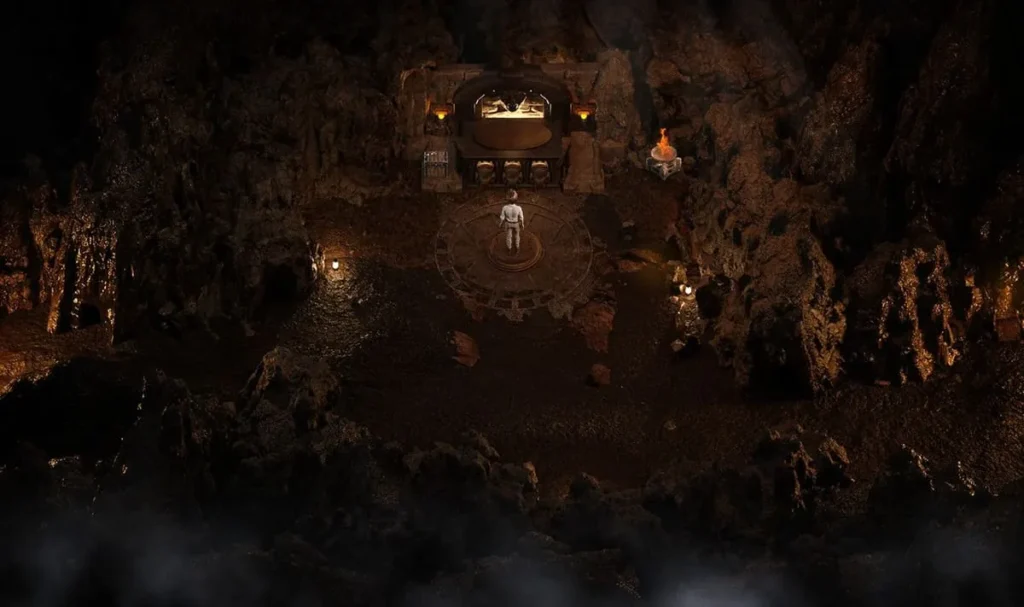
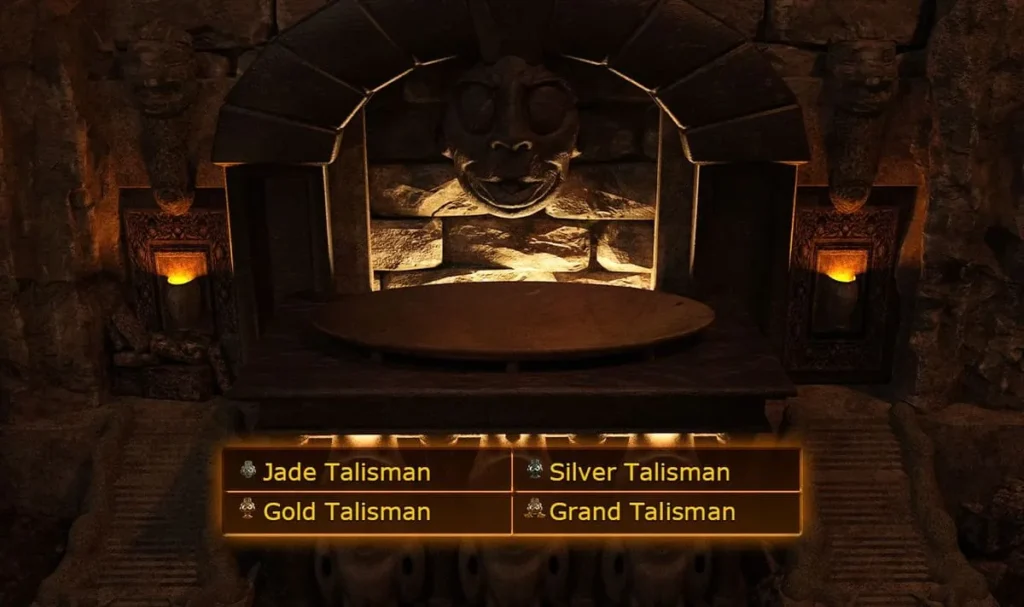
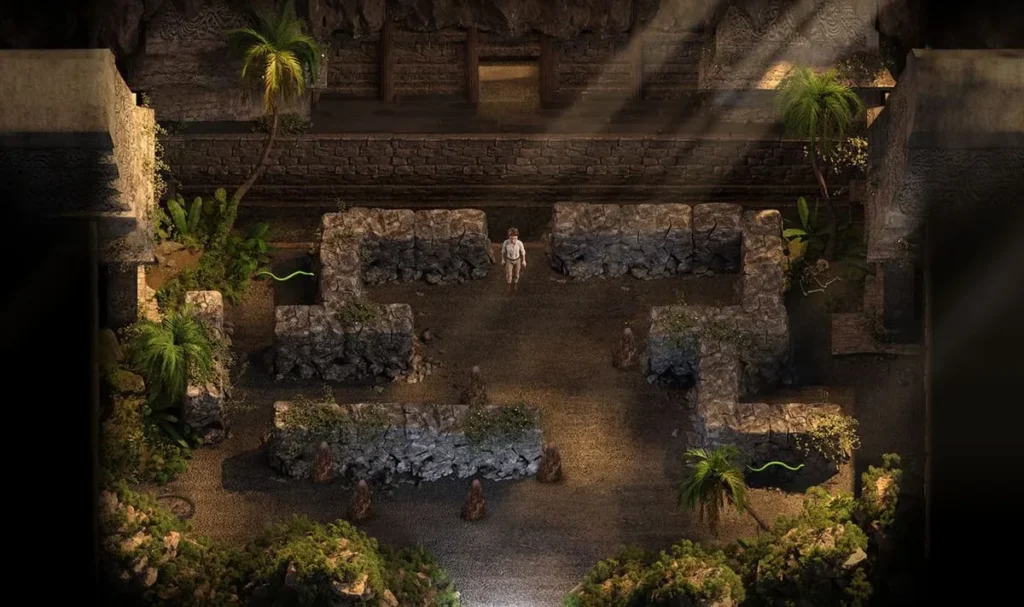
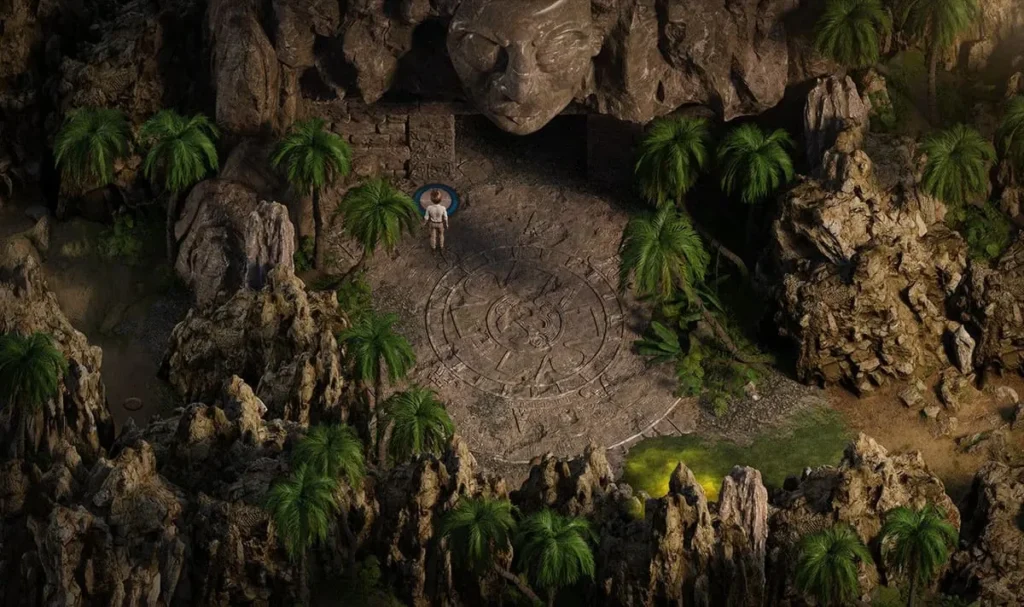
The pinnacle of the game’s challenge, however, are the Ancient Temple Puzzles. These are multi-room, thematic brain-teasers that often involve manipulating ancient mechanisms, aligning symbols, and using crafted items in specific ways. They are the main quest dungeons, and they are excellent. They perfectly encapsulate the puzzle solving adventure game spirit. One particular puzzle involving water levels and stone tablets had me stumped until I stepped away, made a coffee, and came back with fresh eyes. The solution was elegant, and the reward—both in story and loot—was immense.
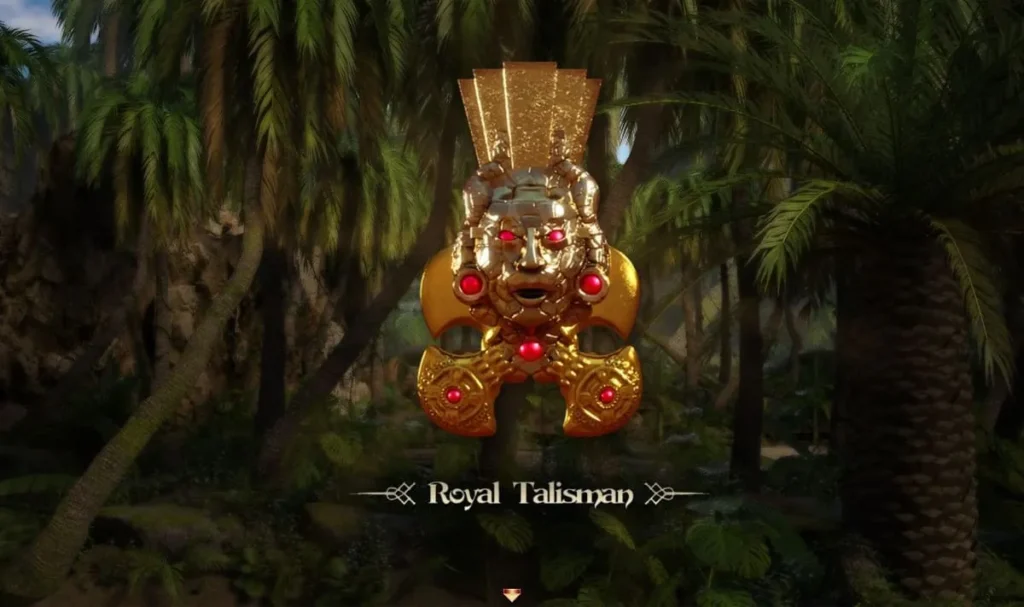
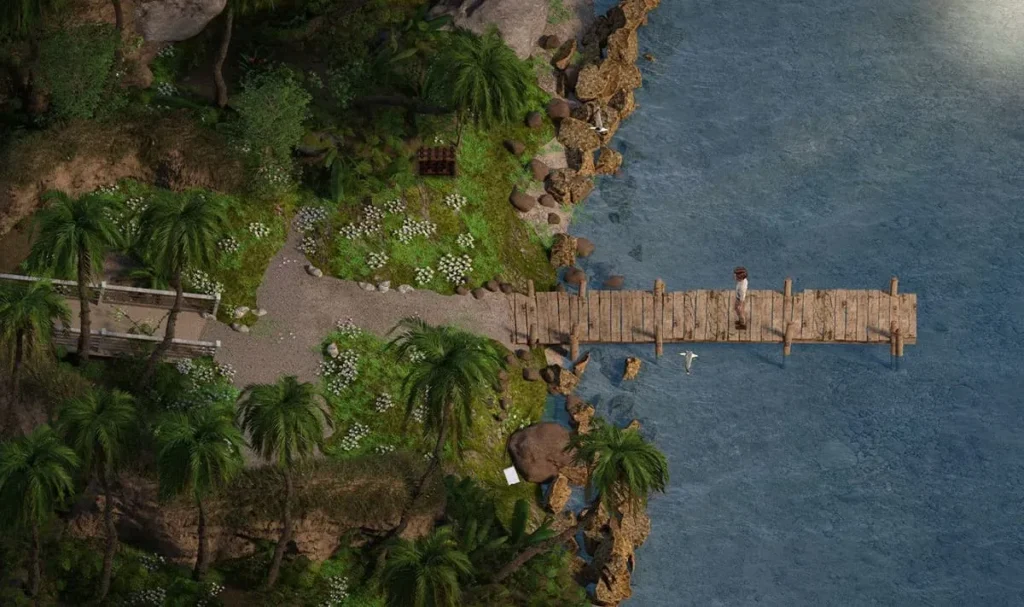
Ah, the loot! This brings us to the key chest locations guide aspect. Chests are hidden everywhere, from obvious beaches to secret caves. They require specific Keys to open, and these keys aren’t always just found—they’re often rewards for completing a character’s quest, solving a minor puzzle, or crafting a particular item. For example, a rusty key might be given to you by a character after you help them, which then unlocks a chest in the jungle containing a rare gem needed for another craft. It’s a wonderful, tangled web of cause and effect.
Personal Insight: The mid-game can feel like it slows down if you don’t manage your goals. You might have three temple puzzles waiting, but lack the tools to solve them, and the tools require items from character quests. It’s not a grind if you’re systematic—it’s a puzzle box waiting to be opened.
To help you navigate this efficiently and avoid any potential slowdown, here are my step-by-step progression tips:
- Daily Routine is Key: Start each in-game day by doing a full circuit of all unlocked areas. Resources respawn! Collect all coins and common materials. This builds a stockpile for crafting later.
- Quest First, Explore Second: Always check your quest log. If a character needs something, prioritize it. Relationship quests almost always give you an item or clue critical for main story progress.
- Temple Time: When you enter an Ancient Temple Puzzles area, don’t leave until you’ve hit a major roadblock. The puzzles are designed in sequences, and leaving breaks your momentum.
- Document Everything: Use the in-game quest log, but also mentally note areas you can’t access yet (a high ledge, a locked grate). When you craft a new tool, immediately go back to your mental list and try it.
- Craft Proactively: Don’t just craft when you’re stuck. If you have the components, make every tool you can. You’ll often find a use for it sooner than you think.
Character Progression and Relationship Mechanics 💞📈
While exploring temples and crafting poles is fun, the soul of Nadiya is in its people. The character progression system here is dual-layered: there’s your progression as a treasure hunter, and the progression of your relationships with the island’s inhabitants.
This isn’t just a series of romantic encounters. The relationships are genuine story arcs with beginnings, middles, and ends. Helping a character might involve a multi-part quest to gather materials for them, solve a personal problem, or explore a location together. As you help them, their trust in you grows, which is visually tracked. This trust unlocks deeper conversations, personal story revelations, and crucially, those valuable rewards like keys or unique crafting diagrams.
These mechanics are brilliantly tied to the core gameplay. You can’t brute-force your way through the story just by collecting sticks and stones. You need the help, knowledge, and resources that the characters provide. It makes the world feel interconnected and purposeful. Want to access the old mine? You’ll need the favor of the person who owns the land. Need a rare herb for a potion? The local botanist will help you, but only after you’ve proven yourself.
This fusion is what makes the Treasure of Nadia gameplay mechanics so special. Your character progression system is literally gated by your social skills and willingness to engage with the stories around you. It balances the solitary act of exploration and puzzle-solving with rich, character-driven narrative moments. You’re not a lone wolf; you’re part of a community, and your success depends on those bonds.
In the end, playing Treasure of Nadia is about embracing all its parts as a whole. The joy comes from seeing how a crafted item unlocks a temple puzzle, whose completion rewards you with a gem you can give to a character, who then gives you the clue to find a hidden chest. It’s a masterfully designed loop that respects your intelligence and rewards your curiosity at every turn. So grab your map, start chatting with the locals, and dive into one of the most thoughtfully constructed adventure games you’ll play. The treasure isn’t just in the chests—it’s in the journey itself.
Treasure of Nadia stands out as a well-crafted adventure title that successfully balances exploration, puzzle-solving, and narrative engagement. The game’s strength lies in its combination of compelling storytelling, high-quality visual presentation, and gameplay mechanics that encourage exploration and discovery. While some players experience grinding during mid-game progression, the overall experience offers substantial content and character depth that justifies the investment. Whether you’re drawn to the exploration elements, the character-driven narrative, or the technical presentation, Treasure of Nadia delivers a complete package that appeals to players seeking a story-rich adventure. If you’re considering diving into this title, approach it with patience for the exploration phases and appreciation for the narrative journey it provides.