Realm Invader
Play Realm Invader
Realm Invader Screenshots










Realm Invader review
A detailed analysis of the multiverse adventure game’s mechanics, storytelling, and player experience
Realm Invader is an adult visual novel that takes players on a multiverse adventure with unique gameplay mechanics and narrative elements. The game follows a protagonist who is transported across different realities and must learn to control magical abilities while navigating complex character relationships. This guide explores the game’s core mechanics, plot structure, character dynamics, and what makes it stand out in the visual novel genre. Whether you’re curious about the game’s storytelling approach or its gameplay features, this comprehensive overview covers everything you need to know about this multiverse-spanning adventure.
Understanding Realm Invader’s Core Narrative and Game Mechanics
Let’s be honest, we’ve all seen the “transported to another world” trope a million times. 😅 I’ll admit, when I first booted up Realm Invader, I braced myself for another generic power fantasy. But within the first hour, I was completely disarmed. This isn’t just an isekai—it’s a clever, self-aware, and beautifully constructed multiverse visual novel game that uses its familiar premise as a launchpad for something genuinely engaging. The magic isn’t just in the spells the protagonist learns, but in how the game weaves its mechanics and story into a single, cohesive experience.
This chapter is your deep dive into that synergy. We’re going to unpack the very heart of the game: how its story is told and how you play it. Forget dry specs; we’re talking about the feeling of uncovering a new reality, the tension in character interactions, and the seamless flow from reading to reacting.
The Multiverse Premise and Story Foundation
The Realm Invader plot summary begins with a concept that feels instantly larger in scope than a single alternate world. You don’t just fall into one new realm; you become unmoored from your own reality entirely, becoming a traveler—or an “Invader”—caught between dimensions. This foundational idea is the game’s masterstroke. It’s not about adapting to one set of rules; it’s about the constant, thrilling disorientation of having the rules change beneath your feet. One moment you’re navigating a high-fantasy kingdom with talking swords, the next you’re trying to understand the social protocols of a sci-fi synth-city. 🌌
This setup does more than provide scenic variety. It directly fuels the Realm Invader story structure. The narrative is built like a chain of interconnected episodes, each realm acting as a narrative capsule with its own mini-arc, conflicts, and lore. Yet, a brilliant through-line connects them all. Your character is piecing together the why and how of their dimensional hopping, and each reality holds a fragment of that overarching mystery. I remember feeling a real “aha!” moment when a throwaway detail from a comedy-focused realm suddenly explained a major magical law in a more serious one. The game rewards your attention.
The protagonist’s journey is a brilliant magical learning curve. You’re not an all-powerful hero from the get-go. Instead, you’re understandably confused, scared, and utterly out of your depth. Your power grows organically as you observe, make mistakes, and slowly learn to manipulate the ambient magical energy of each universe. This process is the core of the early Realm Invader gameplay mechanics. The game brilliantly makes you feel the protagonist’s struggle, turning their acquisition of power into your own rewarding milestone.
Here’s a quick look at the key beats of the main story progression:
- The Anchor Point: Your normal life and the initial, shocking breach into the multiverse.
- The First Landing: Arrival in the debut realm, focused on pure survival and basic understanding.
- The Pattern Emerges: Realizing the jumps are not random and meeting key figures who hint at a larger design.
- Relationship Lock-In: Forming your first major, defining bond that influences your approach to subsequent realms.
- The Cost of Power: Learning that your growing abilities have consequences across the fabric of realities.
- Convergence Point: The separate threads of each realm’s story begin to twist together toward a central conflict.
- The Invader’s Choice: Facing the ultimate decision that defines your role in the multiverse.
Character Dynamics and Relationship Systems
If the multiverse is the stage, then the characters are the unforgettable players who bring it to life. The character relationships in Realm Invader are far from simple affiliations; they are complex, evolving bonds that form the emotional core of the journey. The game excels at writing interactions that feel authentic, whether they’re brimming with anime-style comedic banter or layered with poignant tension.
A central dynamic that the game explores with surprising nuance is the master-servant bond. You’ll encounter powerful beings who, for reasons of fate, magic, or debt, are bound to guide or serve you. This isn’t portrayed as a one-sided power trip. Instead, it’s a fascinating dance of dependency, negotiation, and growing mutual respect. I found myself constantly reflecting on my orders—was I leveraging this bond for mere convenience, or was I considering my companion’s own agency? These relationships become a mirror for your own choices as a player.
The cast you assemble is wonderfully diverse, each hailing from different corners of the multiverse. You might have a stoic knight from a realm of eternal chivalry debating tactics with a cynical, tech-savvy rebel from a cyberpunk dystopia. The writing shines in these group moments, using anime-style humor and comedic timing to break tension and build camaraderie. The laugh-out-loud moments when these wildly different personalities clash (or unexpectedly agree) are some of the game’s highlights. 😂
But it’s not all laughs. Trust is a currency harder to earn than any magical artifact. Your dialogue choices and actions in key scenes slowly build affinity meters, but in a way that feels natural, not like a spreadsheet. Choosing to support a character in a moment of vulnerability, or respecting their culture’s strange customs, opens up new, more personal narrative branches. These relationships directly influence the Realm Invader story structure, offering unique scenes, alternative solutions to problems, and ultimately, shaping which version of the story’s finale you will experience.
To break down the intricate web of connections, let’s look at the primary relationship archetypes the game establishes:
| Relationship Type | Dynamic & Source | Impact on Story & Gameplay |
|---|---|---|
| The Bound Guardian | A powerful being magically or spiritually obligated to protect the protagonist. Often begins with formal, strained loyalty. | Unlocks protective abilities in combat sequences. Dialogue choices can evolve this into genuine friendship or maintain a formal chain of command, leading to different narrative outcomes. |
| The Fellow Traveler | Another dimension-hopper or local who joins out of shared curiosity or mutual need. Relationship is built on equal footing. | Provides critical lore and context for new realms. Offers alternative paths and puzzle solutions based on their unique perspective. Their personal quests become major side arcs. |
| The Antagonistic Ally | A character from a realm with opposing goals or values, forced into a temporary truce by circumstances. | Creates constant narrative tension. Choices here test your morality and diplomacy. Successfully managing this relationship can turn an enemy into a powerful, if unpredictable, friend. |
| The Realm Sovereign | A ruler or deity of a specific dimension. Interaction is based on respect, diplomacy, and proving your worth. | Grants access to restricted areas and legendary resources. Failure to navigate this relationship can make an entire realm hostile, altering the main plot path significantly. |
Gameplay Features and Interactive Elements
Now, how does all this narrative richness translate into the actual moment-to-moment experience? The Realm Invader gameplay mechanics are a masterclass in how to make a visual novel feel genuinely interactive and dynamic. At its heart, it uses a refined click-through system, but calling it a “clicker” would be a massive disservice. This is a carefully paced, player-driven unfolding of events.
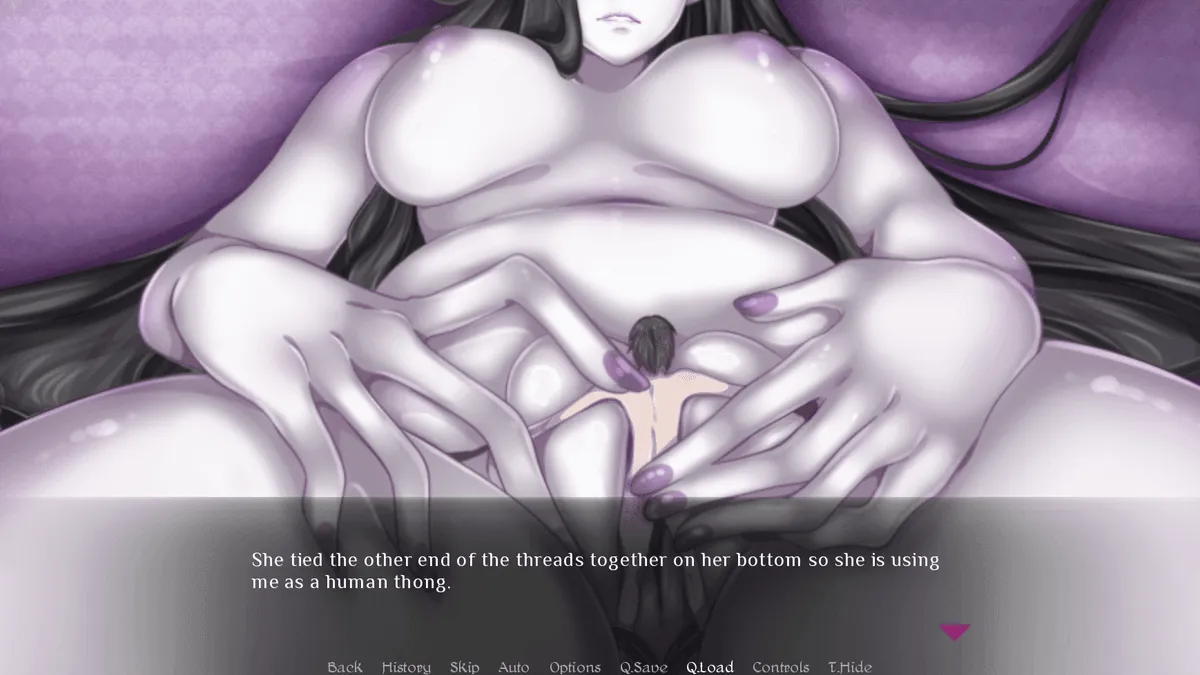
The most striking technical feature is the animation synchronization. Characters don’t just have static sprites with changing expressions; they have fluid, subtle animations that sync perfectly with the voice acting and text pacing. A character nervously fidgeting with their hair, a slow, threatening step forward, a burst of magical energy that ripples across the screen—these aren’t just flashy effects. They are integral to the storytelling, emphasizing emotional beats and making every scene feel alive. 🎭
This leads directly to the superb Realm Invader narrative pacing. The game understands rhythm. It balances longer stretches of dialogue and world-building with shorter, impactful interactive scenes. You might spend time learning about a realm’s history and its people, building anticipation, before being thrust into a quick-time event (QTE) or a dialogue choice that demands a rapid, instinctive response. It mimics the feel of an anime episode, with its calm moments and sudden bursts of action or high emotion. I never felt bogged down, because the game always knew when to switch gears.
The interactive visual novel features are where your agency truly lies. Choices appear frequently, but their weight is variable. Some are simple flavor text, letting you define your character’s personality. Others are critical narrative crossroads that can immediately branch the story, lock you out of certain character routes, or change how a realm perceives you. The game does an excellent job of often making the “right” choice unclear, pushing you to role-play rather than meta-game.
My Pro Tip: Don’t save-scum your first playthrough! The anxiety of living with a consequential choice is part of the intended experience. You’ll appreciate the different outcomes more on a second run.
Beyond dialogue, interaction is woven into exploration. In certain “Investigate” segments, you can click on parts of the beautifully drawn background to find hidden items, trigger optional conversations, or uncover lore bits that deepen your understanding of the multiverse. These segments break up the text flow perfectly and make you feel like an active explorer, not just a passive reader.
Finally, the game’s structure respects your time. It features a clear chapter select and a comprehensive log of all major choices and unlocked lore entries after you finish a chapter. This not only aids replayability but also helps you piece together the grand mosaic of the Realm Invader plot summary across multiple playthroughs, encouraging you to see how different character relationships in Realm Invader can lead to vastly different interpretations of the same core events.
In essence, Realm Invader succeeds because its mechanics and narrative aren’t separate components; they are two sides of the same coin. The gameplay serves the story, making you feel the confusion, the bonds, the humor, and the stakes. It’s a multiverse visual novel game that doesn’t just tell you a story—it makes you live it, one dimension at a time. ✨
Realm Invader presents a unique take on the visual novel genre by combining multiverse exploration with character-driven storytelling. The game’s strength lies in its narrative pacing and the way it balances comedic moments with interactive gameplay. The protagonist’s journey across different realities, combined with the magical learning system and complex character relationships, creates an engaging experience for players interested in story-rich adventures. The game’s approach to humor and its deliberate pacing choices distinguish it from other titles in the genre. For players seeking a visual novel that prioritizes narrative depth and character development alongside interactive elements, Realm Invader offers a compelling experience worth exploring.