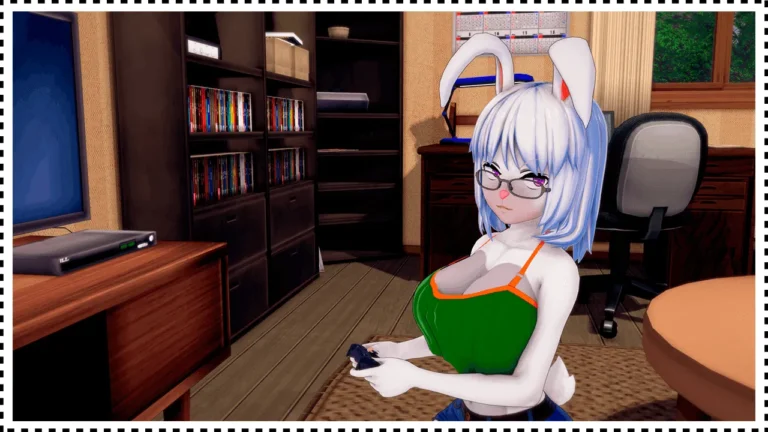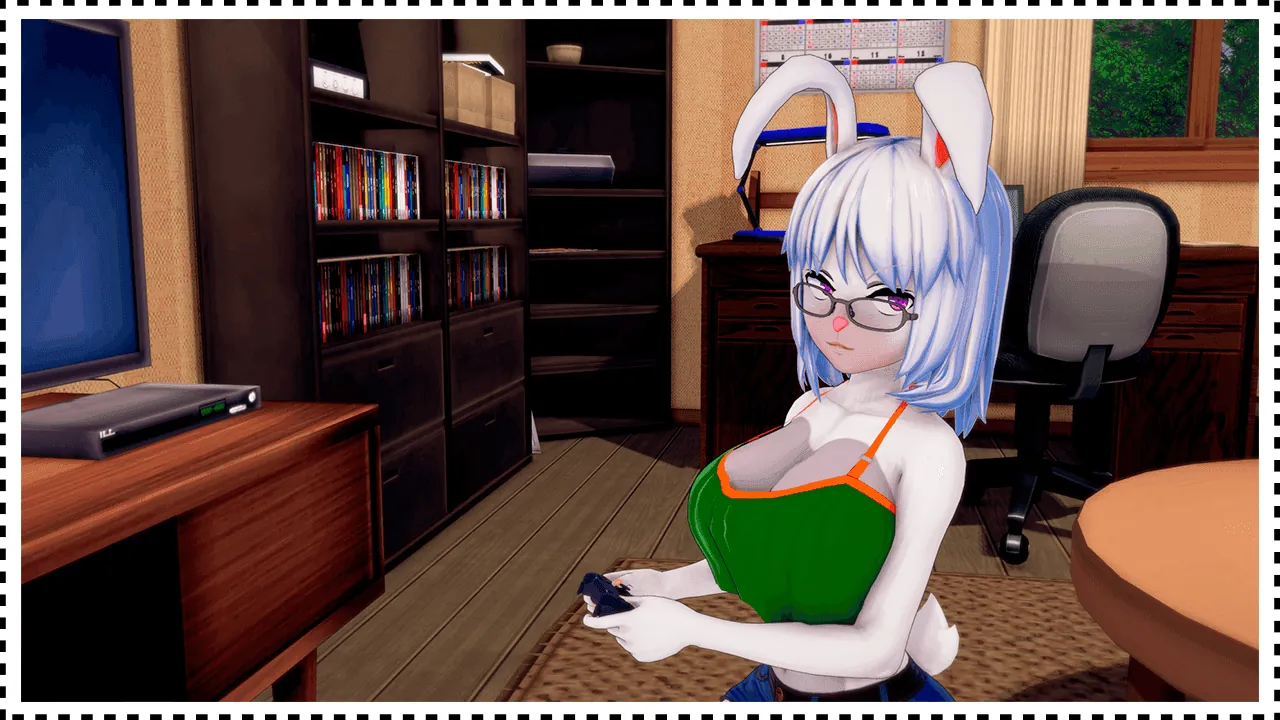
Love at First Tail
Play Love at First Tail
Love at First Tail Screenshots
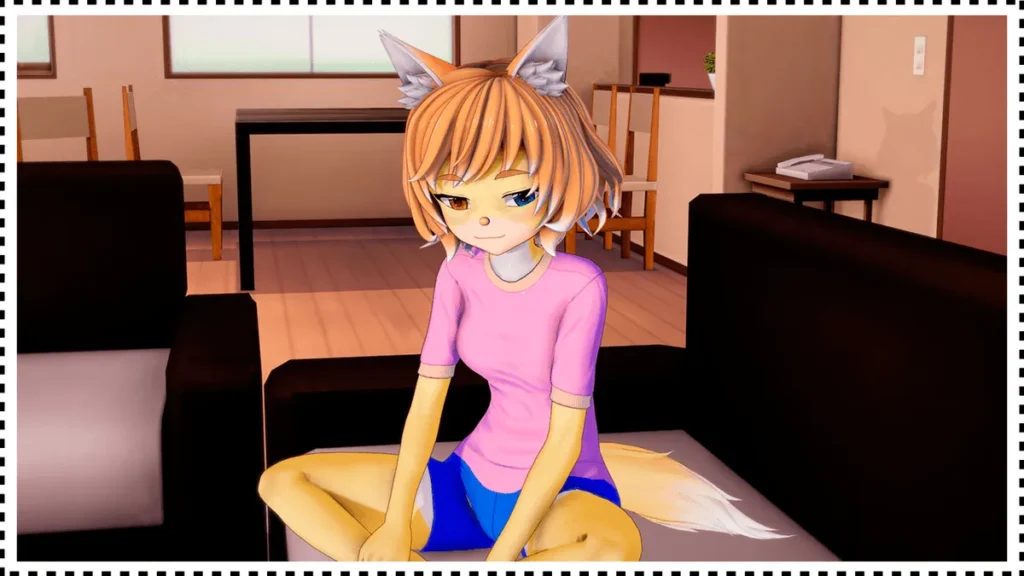
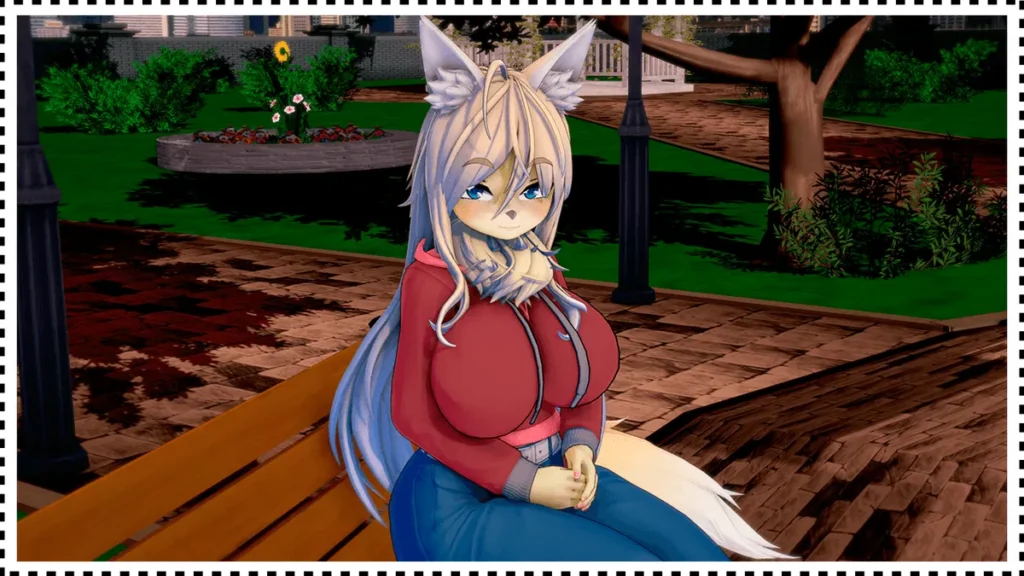
Love at First Tail review
A deep dive into the narrative-driven visual novel that blends wholesome storytelling with mature themes
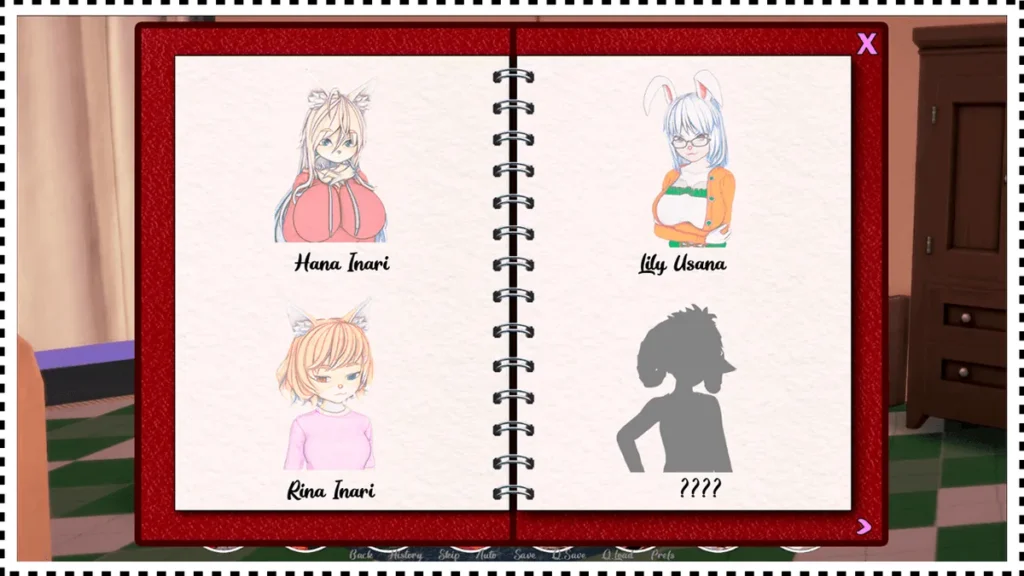
Love at First Tail stands out as a narrative-focused visual novel that defies genre expectations. Created by MrDracosaurus, this game combines character-driven storytelling with mature themes, exploring trauma, healing, and connection in ways that resonate with players. Unlike typical games in its category, it prioritizes emotional depth and character development, featuring well-written protagonists like Hana and Rina whose backgrounds inform every interaction. Whether you’re drawn to compelling narratives, character psychology, or meaningful gameplay choices, this guide explores what makes Love at First Tail a memorable experience that goes beyond surface-level entertainment.
Character Development and Storytelling Excellence
Let’s be honest—when you pick up a visual novel, you’re often braced for one of two things: a saccharine-sweet romance with predictable beats, or a titillating experience that prioritizes spicy scenes over substance. What you almost never expect is to be genuinely moved, to have your heart wrung out by characters who feel startlingly real. That’s the magic trick Love at First Tail pulls off with stunning grace. At its core, this isn’t just a story about meeting cute cat-girls; it’s a masterclass in visual novel storytelling that uses its framework to explore healing, trauma, and the quiet power of patient compassion. The true genius lies not in its premise, but in its profound dedication to character development in Love at First Tail.
This game understands that compelling character psychology isn’t about dramatic monologues, but about the small, telling details: a flinch at a raised voice, a habit of self-blame, the way someone holds themselves when they think no one is watching. It builds its emotional narrative brick by brick, allowing you to witness walls come down in real time. If you’re seeking emotional narrative games that leave a lasting impression, you’ve found one. Let’s pull back the curtain and see how this narrative excellence is achieved, starting with the character who anchors the entire experience.
Why Hana’s Character Arc Stands Out
From the moment you meet Hana, the game signals that this is a different kind of story. She isn’t the instantly warm, eager-to-please character you might anticipate. Instead, she’s guarded, skittish, and quick to apologize for simply existing. Her Hana character arc is the slow, careful unraveling of a soul tightly wound by past pain, and it’s arguably the strongest element of the entire game. The writing doesn’t tell you she’s traumatized; it shows you through a relentless focus on behavior and reaction.
Think about how her trauma manifests. It’s in the domestic space—a place that should be safe. You’ll discover chores left half-finished not out of laziness, but because a sudden noise or memory triggered a panic, forcing her to flee. In one particularly gut-punching scene, the sound of a plate shattering (an accident caused by the player character) doesn’t lead to annoyance, but to a visceral, terror-filled reaction. For Hana, the crash isn’t just broken ceramic; it’s an echo of a violent past, a trigger that sends her back into a state of fear. This is trauma narrative in games done right: it’s specific, embodied, and deeply intertwined with gameplay and environment.
Her growth is measured in these same small spaces. Early interactions, like the optional tail-stroking moments, are tense. She’s hesitant, unsure if this kindness is a prelude to something else. But as trust builds, these moments become softer, more relaxed. The massage scene is a pivotal point in the Hana character arc—it’s an act of pure, non-demanding care that she slowly learns to accept without guilt. The game cleverly uses these tactile interactions as a barometer for her emotional state. You’re not just reading about her healing; you’re participating in it through gentle, consent-based gameplay choices.
The brilliance of her character psychology in Love at First Tail is in its consistency. Her path to opening up isn’t linear. She has setbacks, moments where old fears resurface. This makes her eventual vulnerability—when she finally shares her story—feel incredibly earned. It’s a testament to the writing that her gratitude and affection, once given, feel like the most precious rewards imaginable.
“I came for the cat-girl premise, but I stayed for Hana. Her story is handled with such delicate care that her breakthroughs felt like my own victories. She’s not a trope; she feels like a person I helped rediscover her strength.”
Hana’s journey is the emotional backbone of the experience, setting a high bar for character development in Love at First Tail.
Understanding Rina’s Journey and Growth
If Hana’s story is about emerging from a shell, Rina’s Rina character story is about learning to temper strength with softness. Initially presented as the more confident, forward, and seemingly “together” of the two, Rina’s layers are peeled back differently. Her content is often gated behind progress with Hana, which isn’t a narrative shortcoming but a deliberate design choice. It reinforces that this found family is interconnected; healing for one creates space for healing for another.
Rina’s trauma expresses itself not as visible fear, but as a fierce, sometimes overbearing, protective instinct. She has taken on the role of guardian, and the weight of that responsibility—the constant vigilance, the suppressed need for her own comfort—is her burden. Where Hana might freeze, Rina charges ahead. This contrast is vital. It shows that there is no single, monolithic response to abuse. The visual novel storytelling allows for these parallel, contrasting recoveries to exist side-by-side, enriching the overall narrative.
Unlocking Rina’s deeper scenes feels like earning her trust in a different way. She isn’t wary of kindness itself, but of vulnerability that might make her seem weak or derelict in her duty. Her growth is about learning that she, too, can be cared for. She can let her guard down without the world falling apart. A key moment in her Rina character story is when she allows herself to be comforted, to admit her own fears rather than just assuaging others’. It’s a powerful shift from protector to partner-in-healing.
The game smartly uses its dual-path structure to comment on different coping mechanisms. Hana internalizes; Rina externalizes. Both are valid, both are scars from similar wounds, and both require different kinds of understanding from the player character. This nuanced approach is what elevates Love at First Tail beyond simple wish-fulfillment into a genuine exploration of trauma narrative in games.
The Player Character’s Role in the Narrative
Often in emotional narrative games, the player avatar is a blank slate, a mere vehicle for the player’s choices. Love at First Tail does something more interesting: it creates a poignant, intentional gap between your knowledge and the character’s experience. You, the player, quickly piece together the shadows of domestic abuse and trauma in Hana and Rina’s past. The game provides ample context through their reactions and slipped comments. However, the player character operates with a degree of narrative naivety.
This gap is masterful. It means your choices aren’t about “fixing” them with therapeutic expertise you shouldn’t have. Instead, you’re guided by a simple, human impulse: compassion. Do you press for answers when Hana shuts down, or do you give her space? Do you accept Rina’s tough exterior at face value, or gently probe to see if she needs support? The game frames your role not as a savior, but as a stable, kind presence. This is the cornerstone of its character development philosophy. Growth is inspired by safety and patience, not interrogation or grand gestures.
This design directly influences player decision-making. You’re not hunting for a “correct” dialogue branch to unlock a scene. You’re making choices based on empathy. When you choose to clean up the broken plate without comment, or offer a quiet word of reassurance instead of a demand for explanation, you’re participating in a narrative about building trust. The game rewards you not with points, but with gradual, beautiful moments of connection that feel more authentic because they were earned through consistent kindness. It makes the visual novel storytelling feel participatory and responsible.
The player character’s perspective ensures the focus remains squarely on Hana and Rina’s journeys. You are the catalyst and the witness, and that role is treated with remarkable narrative respect.
Beyond the Surface: Gameplay as Character Revelation
The character development in Love at First Tail is baked into its very mechanics. Let’s break down how specific interactions serve as windows into the soul.
- Tail Stroking: More than a cute gimmick, this is a trust exercise. The evolution from a stiff, hesitant reaction to a relaxed, purring acceptance is a direct visual and auditory graph of comfort levels.
- Massage Scenes: These are pivotal acts of non-verbal care. They emphasize consent and focus on providing comfort without expectation, directly countering the characters’ past experiences of control.
- Domestic Interactions: Cooking, cleaning, and casual conversation aren’t just filler. They establish a rhythm of normalcy, a shared daily life that is itself a healing force against chaos.
Here’s a quick look at how key traits are revealed not through exposition, but through action:
| Character | Trait | How It’s Revealed |
|---|---|---|
| Hana | Hyper-vigilance | Flinches at sudden movements, apologizes constantly for minor things, leaves tasks unfinished when anxious. |
| Hana | Craving for Safe Touch | Slowly leans into tail pets, initial tension in massage melting into deep relief. |
| Rina | Protective Instinct | Quickly intervenes in tense situations, speaks for Hana early on, maintains a “strong front.” |
| Rina | Burdens of Caretaking | Subtle signs of exhaustion, moments where her confident mask slips when she thinks she’s alone. |
| Both | Re-learning Safety | The gradual decoration and personalization of the shared living space, symbolizing putting down roots. |
A Note on the Writing: Strengths and Minor Hiccups
The writing quality is, for the vast majority, exceptional. It has a natural flow, with characters expressing themselves through believable dialogue and the telling actions we’ve discussed. The prose knows when to be detailed to set a mood and when to pull back to let a reaction or silence speak volumes. It handles its mature themes with a sensitivity that far exceeds genre standards, focusing on the psychological aftermath rather than sensationalizing the violence itself.
It’s worth noting that no project is perfect. Some players have spotted the occasional typo or grammatical hiccup. However, these are minor blemishes on an otherwise beautifully crafted script. They rarely detract from the powerful emotional narrative at play, a testament to how strong the core character writing and visual novel storytelling truly are.
In the crowded landscape of emotional narrative games, Love at First Tail stands tall. It demonstrates that profound character development can be the primary source of engagement, more compelling than any plot twist or sensational event. By focusing on the Hana character arc and the Rina character story, it delivers a moving, thoughtful, and ultimately hopeful trauma narrative in games. It asks for your patience and compassion, and in return, gives you a story about healing that feels genuinely meaningful—a rare and precious feat in any medium.
Love at First Tail demonstrates that visual novels can deliver sophisticated character development and meaningful storytelling that resonates emotionally with players. The game’s strength lies in its nuanced portrayal of trauma, recovery, and human connection through well-crafted characters like Hana and Rina whose psychological depth unfolds naturally throughout gameplay. By prioritizing narrative quality and character authenticity over conventional genre tropes, the game creates an experience that surprises players expecting surface-level content. The writing, while occasionally featuring minor technical issues, excels at showing character growth through actions and reactions rather than exposition. For players seeking a game that respects their intelligence and offers genuine emotional engagement, Love at First Tail proves that thoughtful storytelling and character development can elevate the entire experience, making it memorable long after completion.