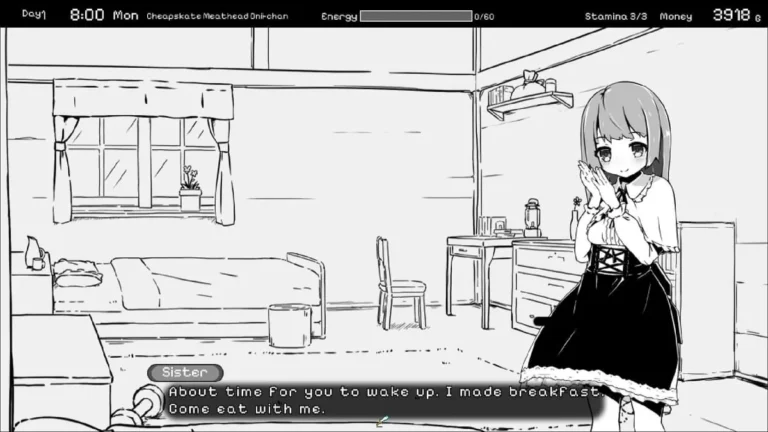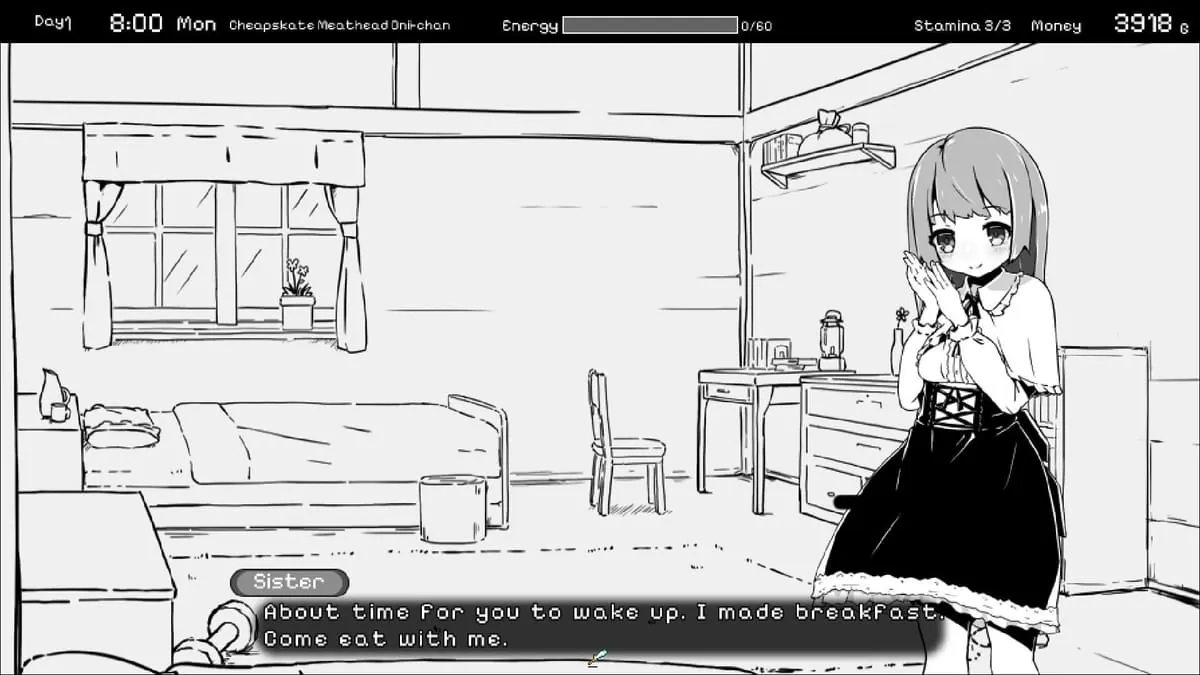
Living With Sister: Monochrome Fantasy Screenshots
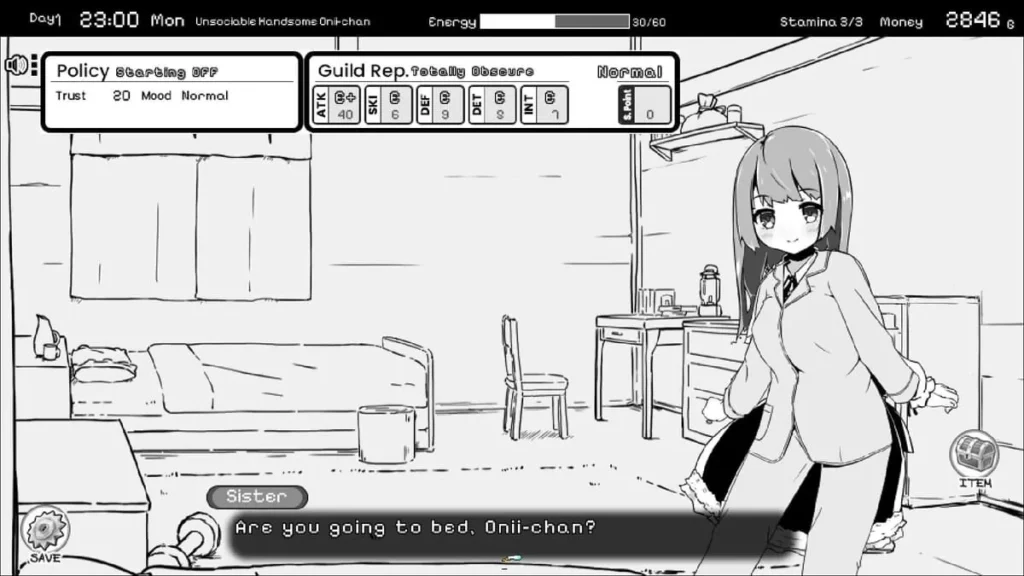
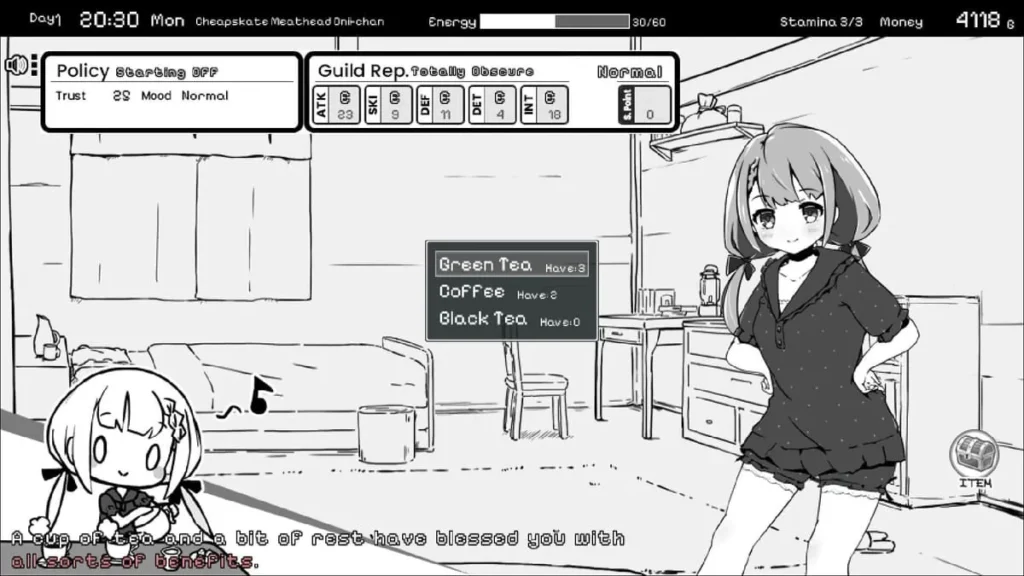
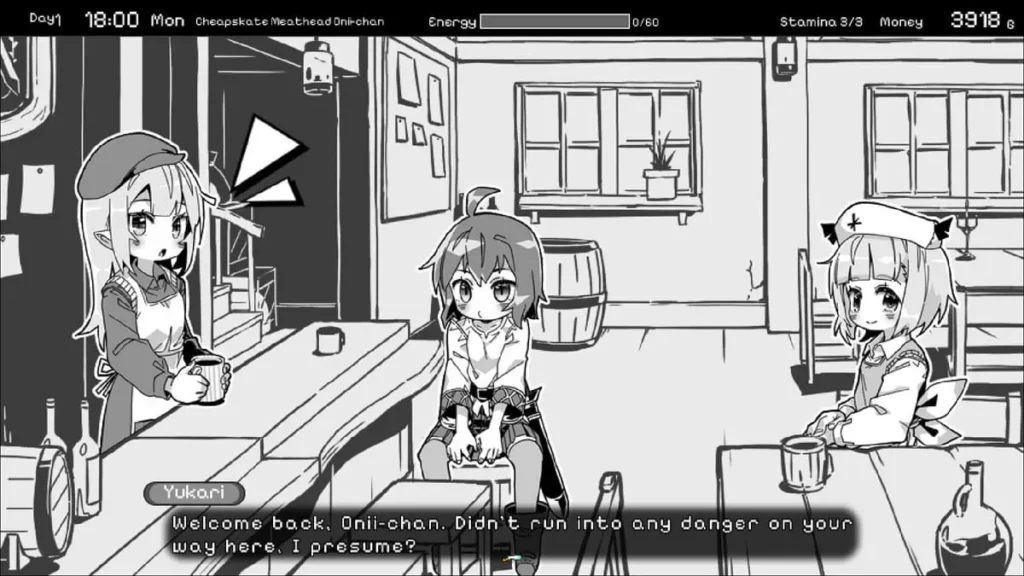
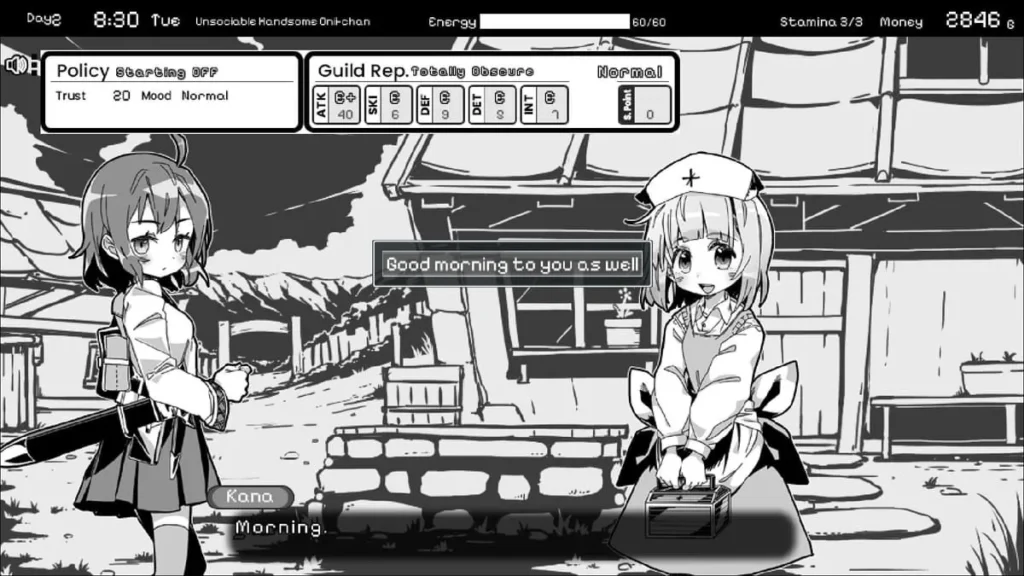
Living With Sister: Monochrome Fantasy review
Master Gameplay Mechanics, Character Relationships, and Strategy Tips
Living With Sister: Monochrome Fantasy is a unique simulation and raising game that combines time management, guild quests, and relationship building in a fantasy setting. Players take on the role of an adventurer tasked with caring for their sickly sister while pursuing their dream of becoming a legendary adventurer like their father. The game blends strategic gameplay with character development, offering multiple endings and branching storylines based on your choices. Whether you’re new to the game or looking to optimize your playthrough, understanding the core mechanics and systems is essential for success. This comprehensive guide covers everything you need to know to master Living With Sister: Monochrome Fantasy and unlock all the game has to offer.
Core Gameplay Mechanics and Daily Systems
So, you’ve stepped into the charming, slightly stressful world of Living With Sister: Monochrome Fantasy and suddenly your day is a flurry of guild duties, stat checks, and trying not to collapse from exhaustion before nightfall. 😅 I remember my first week playing; I was so overwhelmed trying to do everything that my character was permanently tired, my guild reputation was in the dirt, and my sister… well, let’s just say she was not impressed. Sound familiar? Don’t worry. This isn’t just a game—it’s a masterclass in time management simulation, and understanding its core systems is the key to a peaceful (and successful) virtual life.
This chapter is your deep dive into the engine that makes this world tick. We’ll break down the daily grind, demystify the guild’s demands, and turn you from a resource-starved newcomer into a strategic master of your own destiny. Let’s get your schedule optimized.
Understanding Day and Night Activities
Your entire existence in Living With Sister: Monochrome Fantasy revolves around a brilliantly simple yet deep daily cycle. Think of each day as a precious resource you must allocate between two competing goals: improving yourself and fulfilling your obligations to the guild. The core Living With Sister gameplay mechanics are all about this balancing act.
Your day is split into clear segments: Morning, Daytime, Evening, and Night. Each action you take—whether it’s heading to the guild for work, reading a training book, or completing a quest—consumes one of these blocks and a chunk of your Stamina. This is where the simulation aspect truly shines. You can’t have it all. Choosing to grind guild reputation means less time for personal stat growth, and vice-versa.
Here’s the typical flow:
* Morning: Often used for a quick personal activity. Maybe a bit of training if you have the energy, or handling a short quest.
* Daytime: This is guild time. You’ll report for work, which is essential for earning gold and, crucially, building your Guild Reputation. Skipping this has consequences!
* Evening: Your primary window for personal advancement. This is when you tackle side quests, dive into training vs adventure books, or recover if you’re running on fumes.
* Night: Almost always reserved for sleep in your feathered bed, the heart of the energy recovery systems. You can burn the midnight oil on an activity, but the stamina cost is punishing.
To visualize the trade-offs, let’s break down your main activity options:
| Activity Type | Stamina Cost | Primary Stat Gains | Gold Reward | Time Slot Used |
|---|---|---|---|---|
| Guild Work | Moderate | Low (Fixed) | High | Daytime (Required) |
| City Quests | Variable (Med-High) | High (Choice-Based) | Medium | Morning/Evening |
| Training (Books) | Low | Moderate (Focused) | None | Any |
| Adventure (Books) | High | High (Random) | Chance for Items | Any |
| World Tree Visit | Very High | Very High (Multiple) | Low/Items | Weekend Day |
The table makes it clear: quest rewards and stat gains are fantastic, but they’re expensive. Training is your reliable, stamina-efficient friend for targeted growth. My personal early-game mistake was chasing every shiny quest and arriving at the guild too tired to work effectively. Learn from my fail! 🎯
Guild Battles and Progression System
Ah, the guild. They’re not just your employers; they’re your ticket to broader story progression and better rewards. But with great power comes great responsibility—specifically, the weekly Guild Battle. This is where your guild battles strategy moves from theory to stressful, exciting practice.
Each week, your guild will face off against a rival team. Your performance isn’t just about raw stats; it’s a direct test of how well you’ve balanced your week. The battle uses a combination of your key attributes, and if you’ve neglected your training or pushed yourself into constant exhaustion, you will lose. And losing isn’t just a blow to your pride.
Losing a guild battle can set your reputation progress back significantly. It can lock you out of certain quests or shop items and slow your overall climb through the guild ranks. It’s the game’s way of saying, “Hey, maybe you should train more and nap in the park less.”
So, what’s the strategy? It’s about consistent, smart preparation.
1. Know the Enemy: The game usually hints at what stats the upcoming rival team favors. Is it a strength-based brawler group or an agility-focused squad? Tailor your weekly training vs adventure books focus accordingly.
2. Don’t Neglect Reputation: Your standing in the guild acts as a passive booster. Higher reputation can give you small edges in battle. Always do your minimum required guild work.
3. The Pre-Battle Day: The day before the battle, consider a lighter schedule. Use the evening to rest and ensure your stamina is near full for the fight. A tired warrior is a losing warrior.
4. Long-Term View: Your guild battles strategy should be weekly. Plan a cycle: recover after a battle, build stats in the mid-week, then taper and prepare. This rhythmic approach is far better than a panicked, last-minute training spree that burns all your energy.
Remember, the guild system is a marathon, not a sprint. One loss isn’t game over, but a pattern of losses will make progression a real grind.
Resource Management and Stamina Optimization
This is it. The heart of the entire experience. If the day/night cycle is the clock, and guild battles are the exam, then stamina and resources are your fuel and tools. Mastering this is the ultimate stamina management guide. Let’s start with the most important number: your Stamina Cap.
Early on, your stamina pool is brutally small. You might do guild work and one extra thing before you’re desperate for bed. The single most important piece of advice I can give new players is this:
Invest your early gold and points into increasing your Stamina Cap until you reach at least 60-70. This is non-negotiable. A larger pool means you can complete more actions per day, recover more from sleep, and ultimately gain stats and gold at a dramatically faster rate. It’s the foundation of all other strategies.
Now, let’s talk recovery. The energy recovery systems in this game are mercifully straightforward. The primary method is sleeping in your feathered bed. This isn’t just a full heal; it’s a percentage-based restoration of your maximum stamina. This is why raising your cap is so powerful—you wake up with more energy every single day. Secondary recovery comes from certain meals or rare items, but sleep is king.
Your other vital hub is the Alchemy tab. This isn’t just for potions; it’s your inventory management screen for using all consumables. Found a mysterious berry on an adventure? Eat it here. Bought a stamina tonic from the town? Drink it here. Efficient management means checking this tab regularly and using temporary stat-boosting items strategically—like right before a tough guild battle or a major quest.
Weekends are your golden opportunity. With no mandatory guild work, you have two full days to pursue personal goals:
* Town Visits: Perfect for spending your hard-earned gold on supplies, books, and stamina-increasing items.
* World Tree Adventures: A major stamina sink, but the best source for large, multi-stat gains and rare items. Plan for these! Go with near-full stamina.
* House Cleaning: A low-stamina activity that often yields small stat boosts or relationship points with your sister. Don’t overlook it!
To tie this all together, here is your step-by-step early-game progression checklist for optimal resource allocation:
-
Week 1-2 Focus: The Foundation
- Prioritize actions that reward Gold above all else (Guild Work, low-stamina quests).
- Spend 90% of your gold on permanent Stamina Cap increases.
- Use remaining time for low-stamina Training Books to slowly boost stats.
- GOAL: Reach 60+ Stamina Cap.
-
Week 3-4 Focus: Balance & Growth
- Maintain perfect guild attendance for reputation.
- Start incorporating higher-reward City Quests for better stat gains.
- Experiment with Adventure Books on weekends or when stamina is high.
- Begin saving gold for powerful weekend World Tree trips.
-
Ongoing Strategy: Mastery
- Plan your entire week around the upcoming Guild Battle.
- Use the Alchemy tab pre-battle for consumable boosts.
- Always ensure you get a full night’s sleep in the feathered bed for optimal recovery.
- Let your goals dictate your daily choice between training vs adventure books.
By internalizing these Living With Sister gameplay mechanics, you transform from a passive participant into the master of your own fate. You’ll stop dreading the stamina bar and start seeing it as a puzzle to be optimized. You’ll walk into guild battles with confidence, knowing your preparation was perfect. This intricate dance of time, energy, and choice is what makes Living With Sister: Monochrome Fantasy so uniquely engaging. Now go out there, manage those resources, and build the life (and stats) you deserve! ✨
Living With Sister: Monochrome Fantasy offers a rich blend of simulation gameplay, strategic decision-making, and character-driven storytelling that rewards careful planning and multiple playthroughs. By mastering the core mechanics of time management, understanding the relationship systems, and implementing advanced optimization strategies, you can unlock all the game’s endings and fully experience the depth this title has to offer. The game’s replayability is enhanced by New Game Plus bonuses and the wide variety of random events that ensure each playthrough feels fresh. Whether you’re pursuing specific endings, maximizing stat growth, or simply enjoying the journey with your sister and companions, the systems and strategies outlined in this guide will help you make the most of your adventure. Take your time, experiment with different approaches, and remember that starting a new game is part of the intended experience when you want to explore alternative paths.