Game of Hearts
Play Game of Hearts
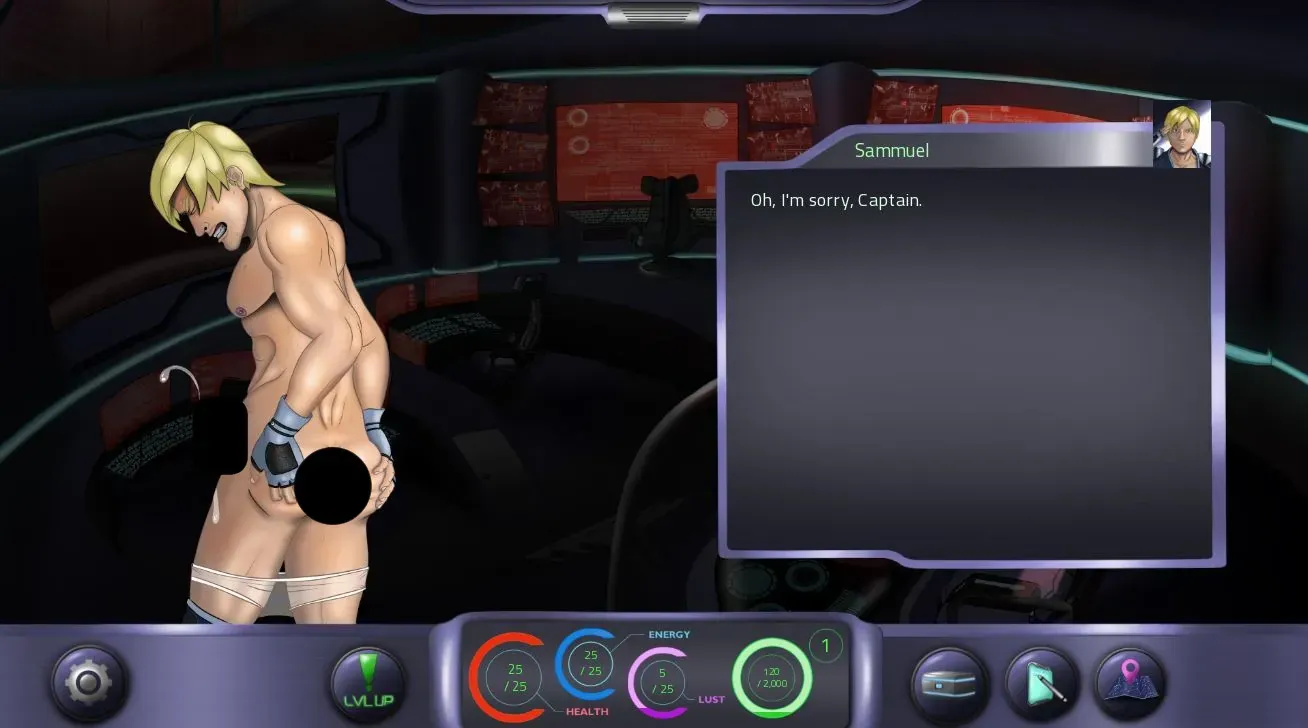
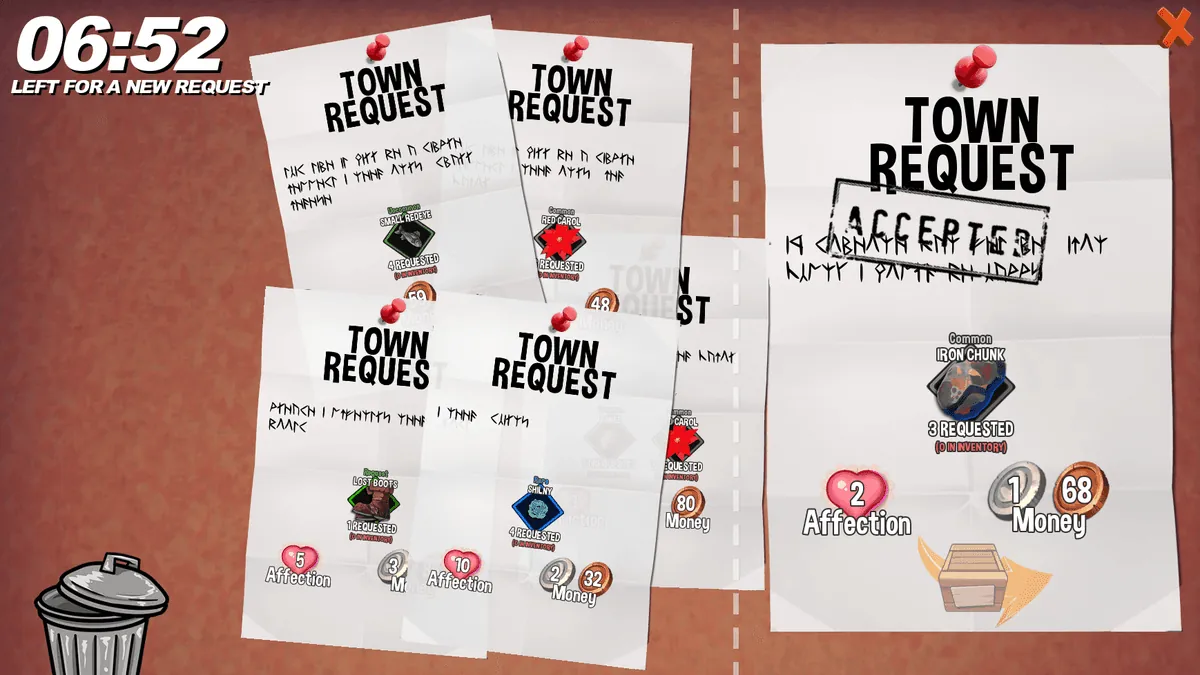
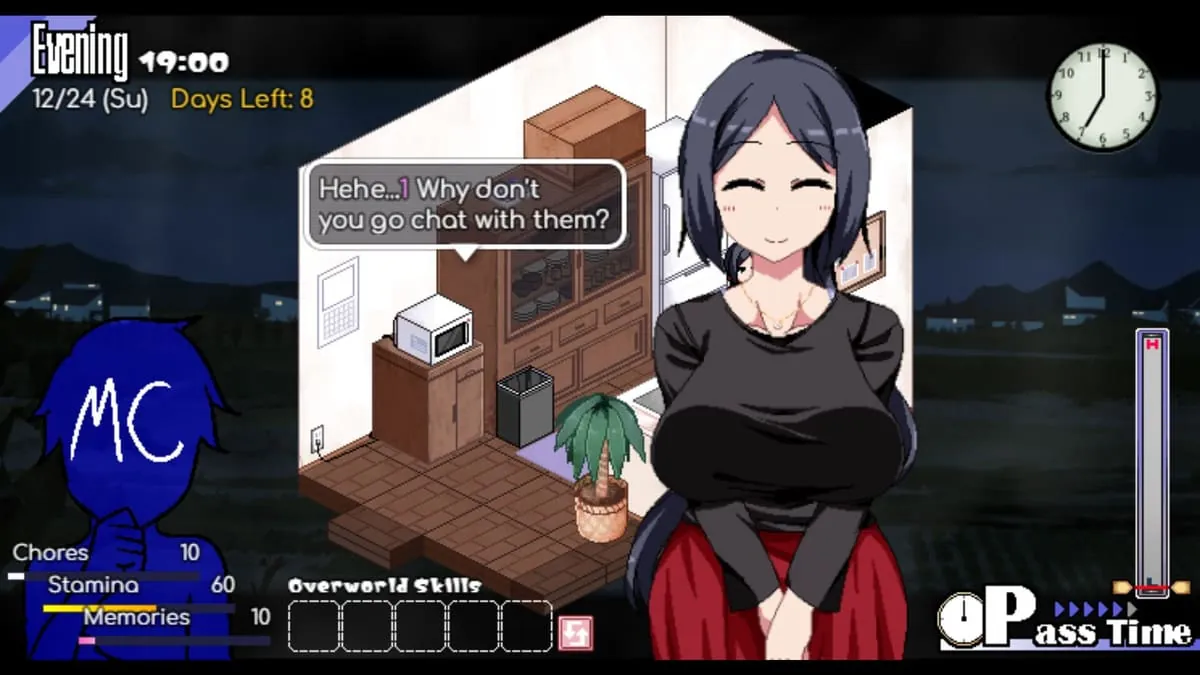
Game of Hearts Screenshots












Game of Hearts review
A practical, player-focused breakdown of mechanics, scenes, and tips for Game of Hearts
Game of Hearts is a narrative-driven adult game that mixes relationship-building mechanics with scene-based interactive moments to create a provocative player experience. In this guide I walk you through what Game of Hearts is, how its systems work, how to approach adult content responsibly, and practical tips I learned while playing and testing different approaches. Whether you want a quick playthrough or to extract deeper storytelling, this article gives step-by-step advice and real examples to help you get the most from Game of Hearts.
Understanding Game of Hearts: Core Systems and Flow
So, you’ve decided to step into the Game of Hearts. Welcome! 🎭 Before you dive into the romance, drama, and unforgettable moments, you need a solid grasp of the rules of engagement. Think of this chapter as your friendly mentor, here to explain how Game of Hearts works at its core. We’ll strip away the mystery and look at the clockwork underneath—the systems that turn your choices into powerful stories.
Getting a handle on the Game of Hearts mechanics isn’t about spoiling the fun; it’s about empowering you to craft the experience you want. Whether you’re here for a whirlwind romance or a slow-burn epic, understanding the flow is your first, most crucial step. Let’s break it down.
Overview: Game Structure and Main Objectives
At its heart, Game of Hearts is a narrative-driven experience where your choices directly shape relationships and unlock scenes. 🎯 Your primary goal isn’t to “win” in a traditional sense, but to guide the story toward meaningful connections and encounters that resonate with you.
The game is structured around scenes—contained story segments focusing on interaction with one or more characters. Your journey from the first meeting to the intimate moments is not random; it’s a path built by your accumulated decisions. The general pacing follows a natural rhythm of buildup, tension, and release, mirroring real-world attraction and bonding. Understanding this rhythm is a key part of any Game of Hearts pacing strategy.
In essence, you are the author. The game provides the characters, settings, and possibilities, but your decisions on dialogue, actions, and gifts write the plot. Every choice feeds into the core system, quietly tracking your progress toward those pivotal moments.
Mechanics: Relationship Meters, Resource Systems, and Scene Triggers
This is where the magic happens—and where most beginners get tripped up. Let’s demystify the three pillars of the Game of Hearts mechanics.
The Pulse of the Story: Relationship Meters
Forget simple “like/dislike” bars. The relationship meters in Game of Hearts are nuanced. Each major character has a meter (often visualized as a heart, gauge, or score) that measures your affinity with them. This isn’t just about romance; it can reflect trust, respect, friendship, or dominance, depending on the character’s nature.
You gain or lose points based on your choices during interactions. A supportive comment might add +5, while a careless insult could subtract -10. But here’s the pro tip: it’s often weighted. A choice that aligns perfectly with a character’s secret passion or deep-seated fear will be worth far more than a generic nice gesture. Paying attention to their backstory is the fastest way to advance.
These meters are the gatekeepers. Scene triggers in Game of Hearts are almost always tied to reaching specific thresholds on these meters. For example, reaching 30 Affinity with “Character A” might trigger a special lunch scene, while 70 Affinity unlocks a more private, evening encounter.
Your Tools: Resources and Action Economy
You don’t have infinite time or energy in this world. Many versions of the game employ a resource system to manage pacing. This could be:
* Energy or Action Points: You have a certain number per day (in-game) to spend on activities. Visiting a character costs 1 point, giving a gift costs another, etc.
* Tokens or Currency: Earned through mini-games or story progress, used to purchase gifts or special opportunities.
* Cards or Items: Literal items in your inventory that can be used at specific times to influence a scene or meter.
Managing these resources is a strategic layer. Do you spend all your energy today pursuing one character, or spread it out? That gift might give a huge meter boost, but is it worth the tokens now, or should you save them? This is the “game” part of Game of Hearts.
The Payoff: Understanding Scene Triggers
Scenes don’t just happen. They are triggered. The most common triggers are:
1. Threshold Triggers: As mentioned, reaching a specific relationship meter score.
2. Choice-Based Triggers: Making a very specific story choice at a branching path. This could be agreeing to a risky offer or revealing a secret about yourself.
3. Time or Sequence Triggers: The scene only becomes available on a certain in-game day or after another specific scene has been viewed.
Here’s a concrete example from play:
You’re talking to Alex, who values bold honesty. The dialogue choice “I thought your presentation was reckless, but brilliant” appears. This aligns with Alex’s traits. Selecting it gives a +15 Affinity boost (instead of the standard +5 for a nice compliment), pushing you from 40 to 55 Affinity. Hitting the 55 threshold instantly triggers the next story beat: Alex asks you to stay after the meeting to talk more, initiating a new, more personal scene.
What about failure? Imagine you chose a safer, generic option instead. You’d get +5, stalling at 45 Affinity. The special scene remains locked. To recover, you’d need to find another opportunity to make a bold, aligned choice later—perhaps during a shared activity mini-game—to make up the lost ground.
Session Flow: From Setup to Final Scene
Now, how does this all come together in a typical play session? Here’s the flow that explains how Game of Hearts works in practice.
1. Setup & Goal Setting: A good session starts before you hit “Continue.” Check your relationship meters. What’s your goal? Is today the day you push for that next threshold with one character, or are you balancing attention between two? Having a plan prevents you from wasting precious resources.
2. The Core Loop:
* Choose Interaction: From the world map or menu, pick which character to engage with or which activity to pursue. 💭
* Make Choices: During the scene, read carefully and choose responses that align with your goal and the character’s personality.
* Observe Feedback: Watch for subtle cues! The game might not always show numbers, but a character’s smile, a change in music, or a specific line of dialogue confirms your meter is moving.
* Resource Management: Deduct any energy or tokens spent. Decide if you have enough to go again or if you need to end the “day.”
3. Triggering & Playing Key Scenes: When you finally hit that threshold, the game will seamlessly (or dramatically!) transition you into the triggered scene. These scenes are the reward—longer, more involved, and with higher stakes. Your choices here matter immensely and can set the stage for future triggers.
4. Session Review: After a play session, or at a natural break, review your progress. Which meters jumped? Which scenes unlocked? This helps you plan your Game of Hearts pacing strategy for next time. Do you need to slow down and build more foundation, or are you ready to charge ahead?
A Personal Discovery: The Hidden Timer
During my first few playthroughs, I blitzed through one character’s story, maxing out the meter as fast as possible. I got the scenes, but something felt… hollow and rushed. 😅 Then, on a slower replay, I discovered an unexpected mechanic: a hidden narrative pacing timer. Spending time with other characters or on world-building activities, even when they didn’t directly raise my target’s meter, actually unlocked additional dialogue options and more tender variations of the later scenes with my main interest.
The game was subtly encouraging a richer, broader story experience. It taught me that a good Game of Hearts pacing strategy isn’t just about efficiency; it’s about savoring the journey and letting the subplots breathe. The most satisfying scene triggers often require you to be a well-rounded person in the game’s world, not just a laser-focused suitor.
Practical Tips and a Pre-Game Checklist
Before we wrap up this core systems guide, here are some actionable Game of Hearts beginner tips.
- Read the Room: The relationship meters in Game of Hearts are your best friend, but don’t ignore the text. A character’s dialogue is the best clue for what they want to hear.
- Prioritize Resources: Early on, use your tokens or gifts to discover what a character really likes. Once you know, you can invest efficiently.
- Save Often, Branch Willingly: Before big decisions, save your game. This lets you explore different choices and see their immediate impact on meters without commitment—a fantastic way to learn the mechanics.
Here is a simple checklist to run through before starting any session. It frames your approach and prevents common frustrations.
| Item | Why It Matters | Recommended Setting |
|---|---|---|
| Current Relationship Meters | You need to know your starting point to plan your destination. How close are you to the next threshold? | Check these first, every time. |
| Available Resources (Energy, Tokens) | Your “budget” for the session. Stops you from running out mid-pursuit. | Plan to spend 80%, leaving a little for surprises. |
| Session Goal | Focus. Are you unlocking a specific scene, or exploring a subplot? | Set one primary goal per play session. |
| Save File Name | Helps you track different story branches and pacing strategies. | Use descriptive names like “SlowBurn_Day5” or “FastRomance_ChoiceA”. |
One Big Beginner Mistake to Avoid: 🚫
The most common error is playing it “safe” with consistently neutral, polite choices. This often leads to minimal meter gains and a story that stalls out. Game of Hearts rewards boldness and alignment with character traits. Be decisive, even if it’s risky. A failed approach that loses you points is more instructive (and recoverable) than a dozen boring interactions that go nowhere.
Remember, understanding the Game of Hearts mechanics—the meters, resources, and triggers—is your foundation. With this knowledge, you can move from simply reacting to the story to actively directing it, crafting a deeply personal experience that unfolds exactly as you envision. Now, you’re ready to play with intention. Your story awaits. ❤️
Game of Hearts offers a layered interactive experience that balances relationship mechanics with scene-driven storytelling; mastering it requires understanding its meters, scene triggers, and the tone-setting choices that shape outcomes. Use the setup checklist, experiment with the strategy builds, and adjust content controls to match your comfort level. Join community spaces carefully to discover mods and tips, and always back up saves before installing user content. If you’re ready to dive deeper, try the recommended experiments and revisit earlier chapters to refine your approach.