Apocalust
Play Apocalust
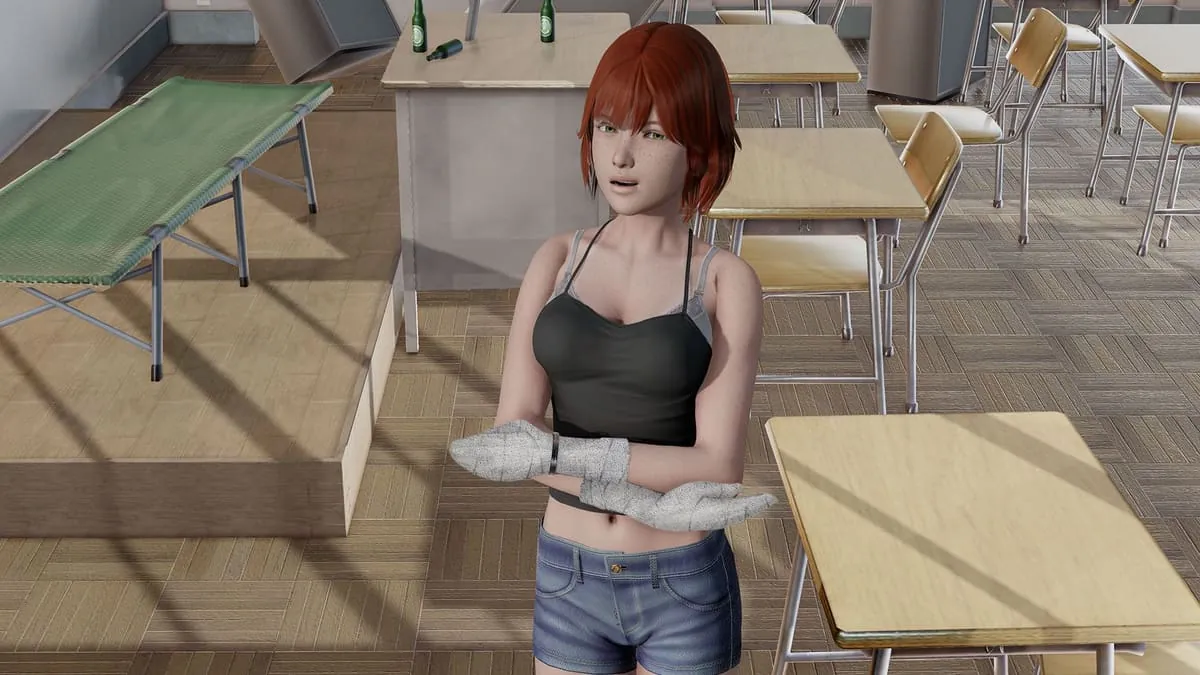
Apocalust Screenshots















Apocalust review
A personal, in-depth look at Apocalust, its branching story, characters, and the impact of your decisions
Apocalust is an interactive story-driven game where you play a young photographer whose life is turned upside down after discovering an ancient relic. That single encounter unlocks strange abilities and plunges you into a morally complex world full of temptation, branching paths, and high-impact decisions. In this guide, I’ll walk you through what Apocalust is really about, how the story and systems work, and what my own playthroughs taught me about its strengths and weaknesses—so you can decide if it’s the kind of adult-focused narrative adventure you want to invest your time in.
What Is Apocalust and Why Has It Become So Talked About?
Let’s be honest, when you hear about a game causing a stir, you often expect guns, explosions, or epic fantasy battles. So, when friends started buzzing about Apocalust, I was intrigued. What was this game that seemed to be generating more conversation about emotional tension than combat stats? My journey to answer the question “what is Apocalust?” began, and I quickly discovered it’s a uniquely compelling experience that trades swords and sorcery for the far more treacherous terrain of human desire and morality. 😅
At its heart, Apocalust is a narrative-driven game where your choices don’t just change a scene—they fundamentally reshape who your character becomes and the world he inhabits. If you’re coming in expecting a traditional action title, you’ll be surprised. This is a deep, reflective, and often intense interactive story that feels closer to a supernatural visual novel, and that’s its greatest strength. Let’s pull back the curtain on why this Apocalust game has captured so much attention.
The core premise and main character of Apocalust
You step into the worn shoes of Leo, the Apocalust main character. He’s not a chosen hero, a hardened soldier, or a witty rogue. He’s a young, somewhat directionless photographer just trying to make ends meet in a sleepy, atmospheric town. He feels real—frustrated by his job, hopeful about his art, and navigating the quiet complexities of his relationships. You immediately get a sense of his normal, slightly messy life. This grounded starting point is crucial, because in Apocalust, the ordinary is about to collide head-on with the extraordinary.
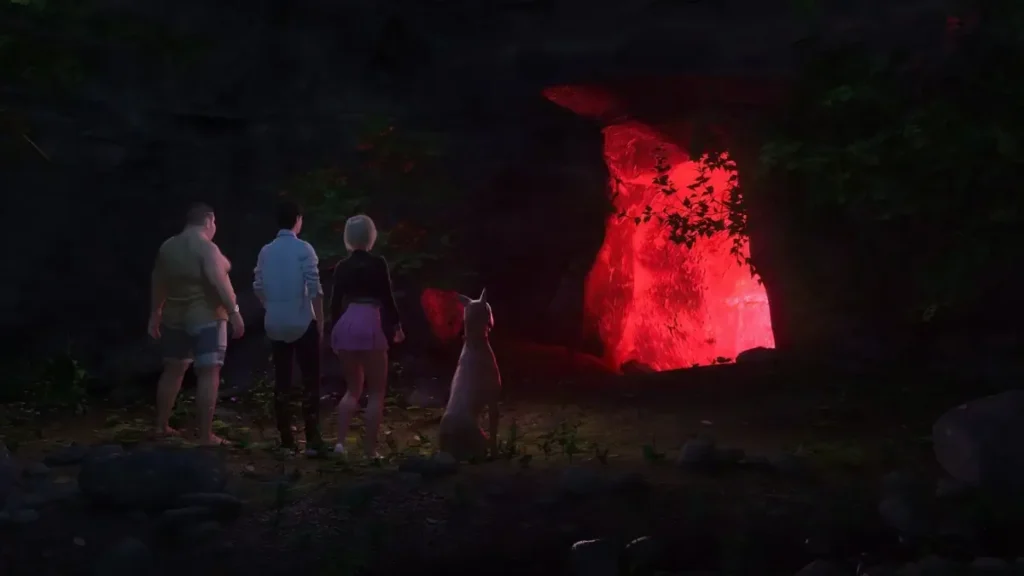
Everything changes when Leo stumbles upon an ancient, mysterious object. This isn’t your typical “magic wand.” It’s a relic, steeped in an eerie, unknown history. Upon touching it, his life doesn’t just change; it bifurcates. One path continues the struggle of daily routine, bills, and awkward social interactions. The other is a new, shadowy track paved with the Apocalust relic powers. These abilities are subtle, metaphysical, and deeply tied to influence, perception, and desire. They offer a way to smooth over life’s rough edges, to get what you want, to make connections happen… but at what cost?
“The moment my fingers brushed that cold stone, I didn’t feel a surge of energy—I felt a quiet, terrifying split. My screen literally seemed to divide: on one side, my normal to-do list; on the other, a glowing, tempting list of everything those new whispers in my mind said I could take.”
This is the brilliant core of the Apocalust story overview. The game masterfully sets up a constant, low-grade tension. You are always managing two parallel existences: maintaining the facade of normalcy while wrestling with the temptation to use this otherworldly power to alter outcomes in your favor. Is it cheating to use a nudge of supernatural influence to land a better job? To make a romantic interest see you in a better light? Apocalust doesn’t give you easy answers; it just gives you the choice and lets you live with the digital conscience you create.
How the relic, powers, and moral tension shape the story
The Apocalust relic powers are the engine of the entire narrative. They aren’t fireballs or super strength. Think of them as a form of profound psychological and emotional influence. You might gain the ability to sense someone’s hidden desires, to subtly shift the mood of a room, or to project your intentions more powerfully. The game presents these abilities through intuitive menu choices and dialogue options that glow with an otherworldly hue, visually separating them from Leo’s “normal” responses.
This creates the game’s central, brilliant conflict: moral tension. Every significant interaction becomes a potential crossroads. You’re constantly weighing a “pure” path—relying on Leo’s innate charm, honesty, and skills—against a “power” path that uses the relic to guarantee a better, easier, or more advantageous outcome.
For example, you might be on a simple coffee date. The conversation is floundering. A normal dialogue choice might be a risky joke that could fall flat. But a relic-powered option, glowing enticingly, might let you project an aura of charm and confidence, ensuring the other person laughs and leans in. It works. Flawlessly. But as you select it, you can’t help but wonder: did they laugh because of you, or because of the ancient artifact in your pocket? The victory feels hollow, and the game is excellent at reminding you of that hollow feeling through character reactions and Leo’s own internal monologue.
The Apocalust game uses this mechanic to explore themes of authenticity, consent, and corruption. The more you use the powers, the more they become a crutch, and the narrative branches to reflect a Leo who is losing touch with his genuine self. Conversely, resisting them is hard! The game makes the “easy way out” so tantalizing, especially when you’re invested in the characters and just want a certain relationship to blossom. This isn’t about “good vs. evil” in a cartoonish sense; it’s about the slow, personal corrosion of taking shortcuts with the most delicate aspects of human connection. 😟
| Core Concept | How It Manifests in Gameplay | Player Experience |
|---|---|---|
| The Relic’s Influence | Presents golden, supernatural dialogue/action choices alongside standard ones. | Creates constant, meaningful choice paralysis. Do you play fair or play to win? |
| Dual Life Management | Balancing a daily schedule (work, hobbies) with opportunities to use powers for personal gain. | Feels like living a double life. The pressure to keep up appearances adds to the stress and immersion. |
| Relationship Depth | Every major character can be approached with or without supernatural influence, leading to vastly different dynamics. | Makes relationships feel earned and authentic, or disturbingly manufactured, based on your choices. |
A first-time playthrough: my honest initial impressions
I want to share a moment from my first evening with the Apocalust game, because it perfectly encapsulates why this experience hooked me. I had just gotten the relic. The game had introduced me to a potential love interest, Maya, who was intelligent, sharp, and a little guarded. We had plans to meet up at a local bar after she finished work.
My goal, in my head, was “Be cool, be genuine, see if there’s a spark.” I went through my in-game day, doing photography gigs, and thinking about the upcoming conversation. When the scene began, I was nervous for Leo! The early chat was going okay, but it was surface-level. Then, a crucial topic came up: a past failure of Leo’s. The normal dialogue options were defensive or self-deprecating. Not great.
Then, I saw it. A single, pulsing golden option appeared. A relic power that promised to “soften the memory, project resilience.” It was a get-out-of-jail-free card for an awkward moment. I stared at it. My finger hovered over the mouse. The entire Apocalust premise crashed down on me in that one interactive moment. Do I let Leo be vulnerable and possibly mess it up, or do I use this otherworldly cheat code to ensure a positive reaction?
I chose the power. The scene flowed beautifully. Maya smiled, touched my arm, and the connection seemed to deepen instantly. And I felt… gross. I had robbed the scene of its truth. That immediate, visceral reaction—a mix of player triumph and character guilt—is something very few games have ever made me feel. It wasn’t about losing health points; it was about losing a piece of the character’s integrity. That’s the Apocalust review in a nutshell: it’s a masterclass in emotional stakes.
So, is Apocalust worth playing? From this first-hand experience, my answer is a resounding yes, but with clear expectations.
- Come for the story, stay for the introspection. This is a game to be savored, not rushed. It’s about the quiet moments and the weight of your decisions.
- Embrace the “visual novel” style. There’s lots of reading and dialogue selection. Progress is measured in emotional beats and relationship milestones, not levels or loot. 📖
- Plan to replay. The true value of the Apocalust story overview is seeing how different choices, especially regarding power usage, send ripples through the entire narrative. My “power-heavy” Leo and my “resistant” Leo would have entirely different stories to tell.
- Prepare for adult themes. The game deals with mature relationships, desire, and the consequences of manipulation. It’s handled with a surprising amount of nuance, but it’s definitely for a mature audience.
The buzz around this game isn’t hype; it’s the sound of players being genuinely surprised by a narrative that respects their intelligence and challenges their morals. It asks a simple, devastating question: If you had the power to get everything you thought you wanted, would you still recognize the person you became?
Quick Apocalust FAQ
Before we dive deeper into characters and branching paths in later chapters, here are answers to some basic questions you might have.
| Question | My Straight Answer |
|---|---|
| Is Apocalust more like a visual novel or a classic action game? | It is firmly in the interactive visual novel/drama category. Your primary interactions are reading dialogue, making choices, and managing relationships and stats. There is no combat or traditional action gameplay. |
| How story-focused is Apocalust? | It is almost entirely story-driven. The narrative, character development, and the consequences of your choices are the entire point of the experience. Gameplay systems exist solely to serve that story. |
| Is it a horror game? | Not in a traditional sense. The tone is one of supernatural mystery and psychological tension. It’s more eerie and unsettling than outright frightening, focusing on the horror of compromising your own morality. |
| How long is a single playthrough? | My first run, where I explored carefully, took around 8-10 hours. However, with its branching narratives, the real longevity comes from multiple playthroughs to see different outcomes. |
Apocalust stands out because it doesn’t just hand you a series of scenes; it asks you to live with the consequences of what you choose to do with the power you’re given. Across different playthroughs, you start to see how much your approach to relationships, temptation, and responsibility can reshape the town, the people around you, and the protagonist himself. If you enjoy slow-burn storytelling, character-driven drama, and the feeling that your decisions truly matter, Apocalust can be a surprisingly engaging way to explore those themes. Give yourself time with it, lean into the roleplay, and you may find that your second or third run reveals a very different side of the same world.