
LEWD GIRLS: Hentai Puzzle
Developer: KG/AM
Browse our collection of adult games tagged with "Hentai porn games".
Developer: KG/AM

Developer: Ero Sandwich Studio

Developer: Oracle and Bone

Developer: EmperoXXX Anime
Developer: stencilbits

Developer: ILLUSION

Developer: FutadomWorld

Developer: BootyProfessor

Developer: Wistala
Developer: Pochemu LTD

Developer: Candy.ai

Developer: ICCreations

Developer: Irphaeus
Developer: Flynn974

Developer: Art Witch Studios

Developer: psychodelusional

Developer: Frozen Synapse

Developer: TK8000
Developer: TopHouse Studio, AniCore Team
Developer: Inusuku

Developer: Azienda

Developer: Alek ErectSociety

Developer: SinsiterSlick Games
Developer: Komisari
Developer: Jikei
Developer: Dojin Otome
Developer: Remtairy
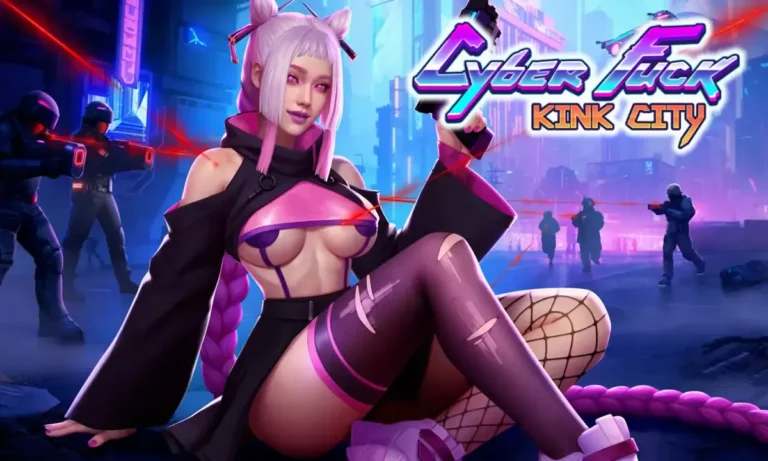
Developer: Nutaku


Developer: Jamleng Games
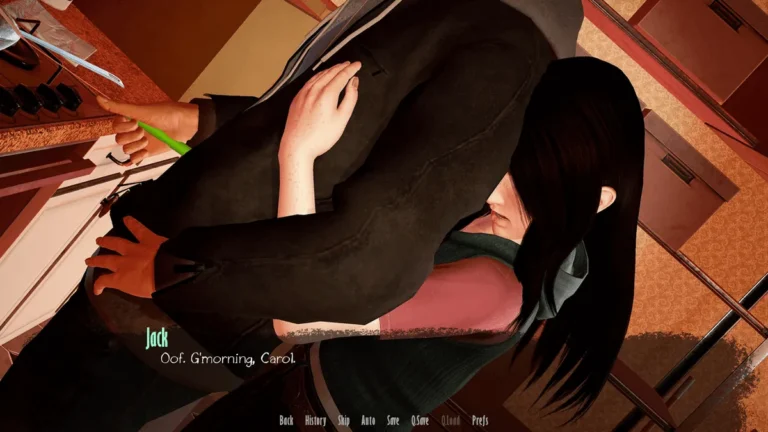
Developer: ILSProductions

Developer: MoolahMilk

Developer: BaiBai
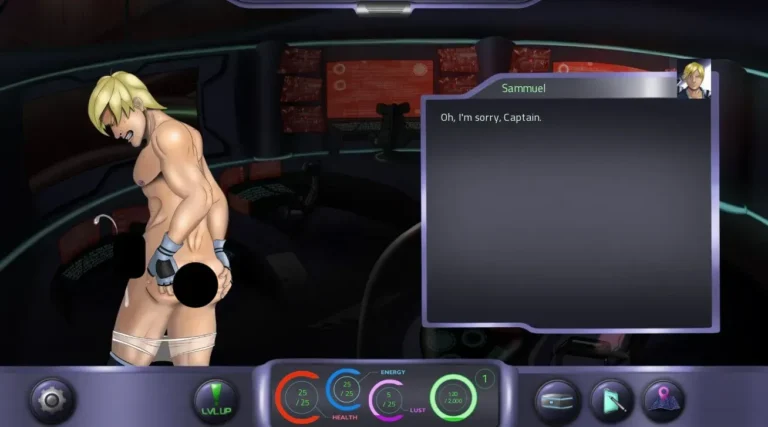
Developer: Xperiment
Adult anime games represent a significant segment of the gaming industry, particularly in Japan where they’ve evolved into a sophisticated entertainment medium. These games combine visual storytelling with interactive gameplay, offering players narrative-driven experiences centered around romantic and intimate interactions. Understanding this genre requires exploring its history, mechanics, cultural context, and the various subgenres that have emerged. Whether you’re curious about the gaming landscape or looking for recommendations, this guide provides comprehensive insights into what defines these games and why they’ve developed such a dedicated following worldwide.
Remember that first time you stumbled into this corner of the gaming world? 🎮 I do. For me, it was a dusty forum post about a “life simulator” that promised more than just managing stats. I was intrigued, a little skeptical, and utterly unprepared for the depth of storytelling I found. What I discovered wasn’t just a game; it was an interactive, character-driven novel where my choices truly mattered. That’s the heart of what we’re exploring today.
This chapter is your foundation. We’re going to strip away the assumptions and build a clear understanding of what adult anime games really are, how they work, and why they’ve carved out such a passionate niche. Forget what you think you know—let’s start from the beginning. ✨
At its core, an adult anime game is an interactive digital experience that uses anime or manga-inspired art and tackles themes intended for a mature audience. Think of it as a broad umbrella. 🏖️ Under it, you’ll find everything from sweet, slow-burn romances to thrilling supernatural mysteries, all unified by their stylized visuals and focus on interactive storytelling.
The term often gets lumped into one category, but it’s crucial to understand the primary formats:
What binds them all is player agency. Unlike passively watching a show, you are in the director’s chair. Will you be the charming hero, the aloof outsider, or the mischievous troublemaker? The game’s world and characters react to you. This creates a powerful sense of ownership over the story, making successes feel earned and failures (or dramatic twists!) uniquely personal.
My Early Lesson: In one of the first visual novel games I played, I made a flippant, sarcastic comment to a character early on, thinking it was harmless. Hours later, that same character refused to trust me in a critical moment, leading to a “bad end.” I was shocked. The game remembered, and my flippancy had consequences. It taught me that these aren’t just stories you click through; they are worlds you live in and influence.
So, how do these adult anime games actually play? If you’re coming from action-packed mainstream titles, the mechanics can seem foreign. Let’s break down the engine under the hood. 🔧
The lifeblood of these experiences is the choice-based narrative. You’ll constantly encounter dialogue trees and decision points. A simple choice like “Comfort her” vs. “Give her space” can subtly shift a character’s affection meter, while a major plot decision might split the story into entirely different routes. This branching design is what gives these interactive storytelling games immense replay value.
To manage your progress, stat progression systems are common. In a dating simulator game, you might need to boost your “Style” stat to impress a fashion-conscious character or your “Knowledge” stat to have meaningful conversations with a bookish love interest. You improve these by choosing how to spend your in-game time: studying, working out, or working a part-time job.
The true magic, however, lies in the character interaction systems. This goes beyond simple dialogue. Many games feature:
* Affection/Relationship Meters: Visual (or sometimes hidden) trackers that show your standing with each character.
* Personality Flags: Invisible tags the game assigns based on your cumulative choices (e.g., “Kind,” “Assertive,” “Funny”). These flags can unlock or lock certain story scenes later.
* Route Lock-Ins: After a series of choices, the game will often lock you onto a specific character’s storyline, focusing the narrative on your relationship with them.
Finally, character customization can play a big role, especially in life-sim hybrids. While you often play a set protagonist, many games allow you to name them and sometimes alter their appearance. More importantly, you customize their personality through your decisions, creating a unique avatar within the story world.
To see how these mechanics come together differently across the genre, let’s look at this comparison:
| Game Type | Primary Gameplay Focus | Typical Mechanics | Player Experience |
|---|---|---|---|
| Visual Novel Games | Story & Narrative Branching | Dialogue trees, major plot choices, multiple endings, minimal stat management. | Like directing a personal anime series; heavy on reading and consequential decision-making. |
| Dating Simulator / Bishōjo Games | Relationship Building & Strategy | Daily schedule management, stat progression, affection meters, gift-giving. | Like a strategic social puzzle; balancing time and resources to achieve romantic goals. |
| Anime Character Games with Life Sim | Immersive Simulation & Exploration | Small open-world navigation, mini-games, item collection, combined with relationship systems. | Like living a slice-of-life anime; a blend of casual activity and character-driven story. |
If you walk from the blockbuster AAA section of gaming into the world of adult anime games, it feels like entering a different universe. 🌌 The rules, priorities, and very definition of “gameplay” shift. Understanding these differences is key to appreciating the genre on its own terms.
1. The Primacy of Narrative Over Action.
Mainstream gaming often uses story as a wrapper for its core gameplay loop (shoot, drive, build, explore). Here, the narrative is the gameplay. The “action” is the conversation. The “puzzle” is understanding a character’s heart. The climax isn’t a boss battle; it’s a crucial emotional confession or a devastating revelation shaped by your choices. These are choice-based narrative games first and foremost.
2. A Different Kind of Player Agency.
In a mainstream RPG, your agency might be expressed through combat style or exploration. In these titles, agency is almost entirely social and emotional. Your power isn’t in a sword swing, but in a carefully chosen word. You’re not leveling up a combat skill tree; you’re nurturing relationships and shaping a protagonist’s personality. This creates intimacy that few other genres can match.
3. Distribution and Development Culture.
The vast majority of these experiences are developed for and distributed on PC platforms, often through storefronts like Steam, JAST USA, MangaGamer, or directly from developers. They frequently originate from smaller, passionate studios or even solo creators, leading to incredible diversity and niche storytelling. This is contrasted with the console-focused, big-budget model of mainstream gaming.
4. Regulatory Frameworks and Regional Differences.
This is a crucial practical point. 🌐 The handling of explicit content varies wildly by region. Many of the most famous bishōjo games and visual novel games from Japan undergo significant editing for official Western releases to comply with platform rules. This has led to a robust community around “patches” that restore content. It’s always important to research a game’s version and regional status before purchasing. Platforms like Steam have specific guidelines, which is why many developers also offer uncut versions directly from their websites.
5. Evolution from Text to Multimedia.
While mainstream gaming evolved from pixels to 3D polygons, adult anime games have a parallel evolution. They grew from early text-based adventures, adding still images, then full anime-style artwork, voice acting (a huge draw, especially with famous Japanese voice actors), and now limited animation and complex game systems. The focus, however, has remained steadfastly on the story and characters.
The Bottom Line: Mainstream games often ask, “Can you overcome this challenge?” Adult anime games ask, “Who do you want to become, and who do you want to be with?” They are exercises in empathy, strategy, and narrative exploration rather than reflexes and resource management.
This foundation is everything. Now that you understand the what and the how, you’re ready to dive into the vast library of titles and find the stories that will resonate with you. Remember, the controller is in your hands, but the real journey happens in the choices you make and the relationships you build. Happy exploring! 🚀
Adult anime games represent a mature and sophisticated segment of the gaming industry with a rich history and dedicated global community. From their origins as simple text-based experiences to today’s multimedia-rich visual novels and dating simulators, these games have evolved significantly in terms of narrative depth, gameplay mechanics, and production quality. Understanding the genre requires recognizing its diverse subgenres, from story-focused experiences to gameplay-intensive titles with character customization systems. Whether you’re interested in the interactive storytelling aspects, the character-driven narratives, or the unique gameplay mechanics these games offer, there’s substantial variety to explore. The genre continues to evolve with improved localization efforts making these games more accessible to international audiences, while communities remain active in creating mods, fan content, and sharing recommendations. As with any gaming genre, quality varies significantly between titles, making informed research and community feedback valuable resources for finding experiences that match your preferences.
Have a favorite adult game that's not in our collection? Let us know and we might feature it!
Contact Us